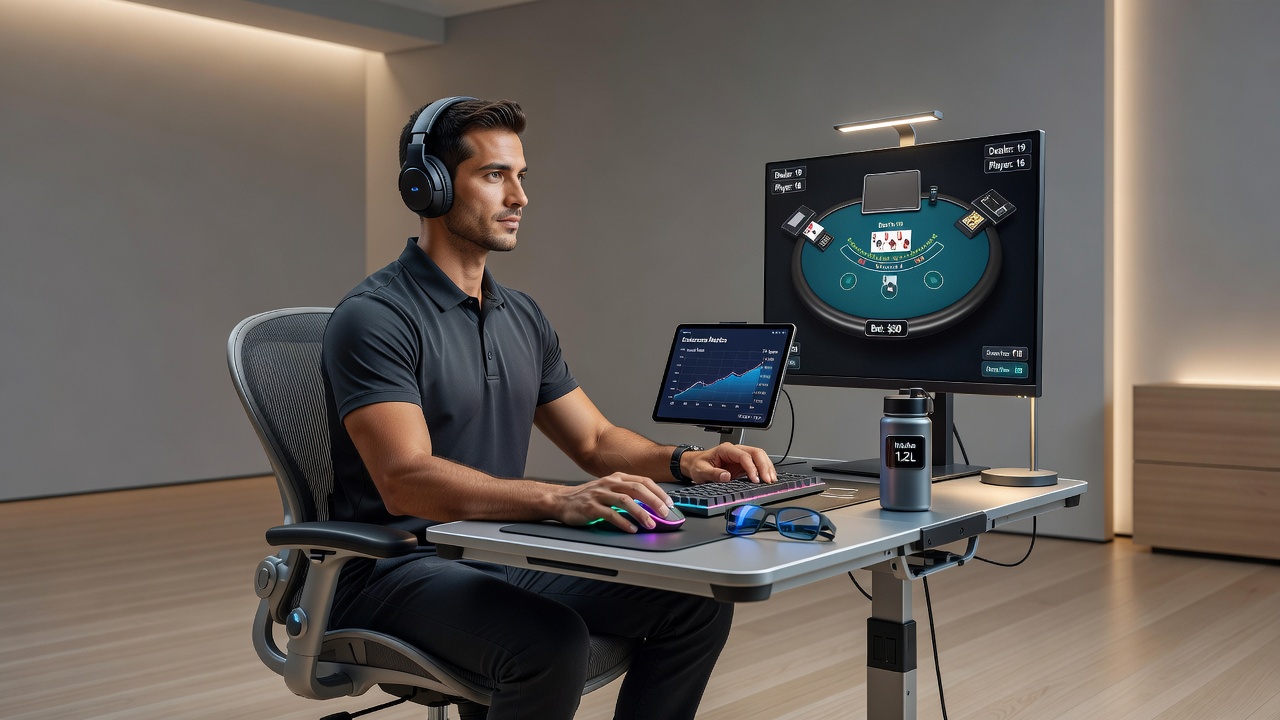
Adaptive Approaches That Support Prolonged Engagement in Mobile Live Table Gaming
Portable platforms have transformed live table gaming by allowing access to real-time dealer interactions through smartphones and tablets, yet extended sessions demand specific techniques to sustain attention and decision-making quality. Research from the University of Nevada, Reno indicates that players who modify their pacing and risk parameters during multi-hour periods report steadier performance metrics compared with those maintaining fixed approaches. These adjustments involve monitoring physical and mental cues while leveraging device features such as customizable interfaces and session timers.
Core Challenges in Extended Mobile Sessions
Live dealer environments on portable devices present continuous stimuli from video streams, chat functions, and rapid betting cycles that can accelerate fatigue. Data collected by the Nevada Gaming Control Board shows average session lengths for remote table games have increased steadily, with many participants exceeding two hours per sitting. Fatigue manifests through slower response times and altered betting patterns, particularly when network variability or device battery levels introduce additional variables. Observers note that without deliberate shifts in strategy, concentration tends to decline after the initial ninety minutes.
Techniques for Adjusting Play Dynamics
Players often implement tiered betting structures that scale stakes according to remaining energy reserves and current bankroll status. One documented approach segments sessions into distinct phases where early conservative wagers transition into measured increases only after confirming stable decision accuracy through self-checks. Application developers have integrated pause options and quick-note tools that facilitate these recalibrations without disrupting game flow. Studies published in the Journal of Gambling Studies reveal participants employing such phase-based adjustments maintain higher accuracy rates across longer durations.
Device-specific adaptations further support endurance. Screen brightness modulation, audio cue customization, and integration with wearable health monitors allow real-time tracking of heart rate variability and posture changes. When these indicators signal rising strain, many users reduce table count or switch to lower-stakes variants to preserve cognitive resources. Industry reports from the Australian Gambling Research Centre highlight how such integrated feedback loops correlate with extended participation windows before voluntary breaks occur.
Environmental and Technological Supports
Network stability plays a measurable role in maintaining rhythm during extended play. Connections that buffer video feeds effectively reduce the cognitive load associated with compensating for delays. Several portable platforms now offer regional server selection that minimizes latency spikes, enabling consistent timing for card reveals and roulette spins. Those who monitor connection quality and preemptively adjust settings report fewer interruptions that otherwise fragment focus.
Regulatory developments scheduled for implementation in certain markets during July 2026 emphasize standardized responsible gaming prompts across mobile applications. These forthcoming requirements include mandatory break reminders and expenditure tracking that align with adaptive strategies already used by experienced participants. Early testing in pilot programs demonstrates these features integrate smoothly with player-initiated adjustments rather than overriding them.
Evidence from Performance Tracking
Longitudinal data compiled by the Canadian Centre on Substance Use and Addiction tracks outcomes among mobile live table users who apply adaptive protocols versus static methods. Participants utilizing dynamic stake modulation and scheduled micro-breaks recorded lower rates of performance degradation over four-hour periods. Metrics included accuracy of basic strategy adherence in blackjack and appropriate bet sizing relative to table odds. The findings underscore how incremental modifications compound across time to support sustained engagement.
Conclusion
Adaptive strategies in portable live table environments center on responsive adjustments to betting patterns, device settings, and session segmentation. Evidence from multiple regulatory and academic sources demonstrates these methods help preserve decision quality during extended periods. As mobile platforms continue evolving alongside upcoming compliance standards, the integration of player-driven modifications with built-in tools offers a structured pathway for managing longer sessions effectively.