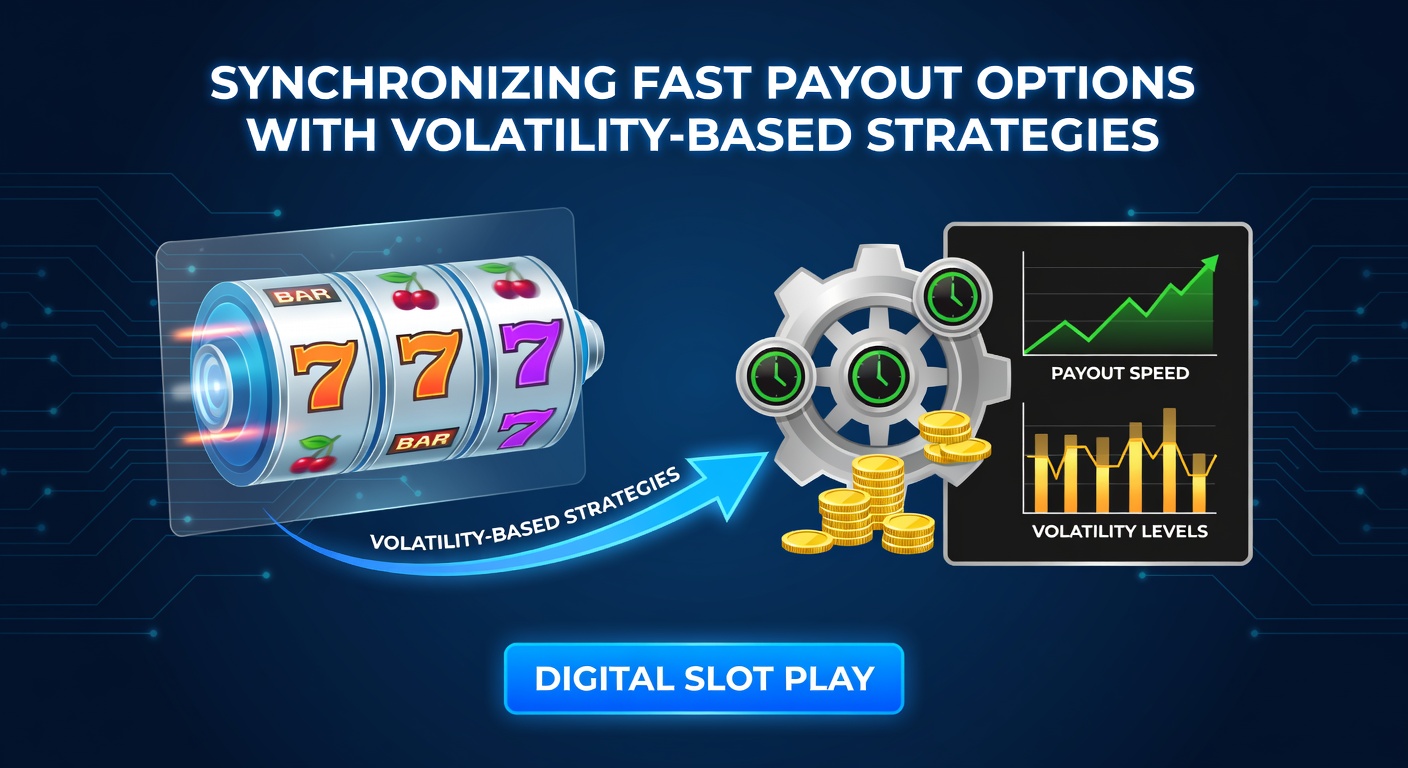
Aligning Rapid Cashout Systems with Variance Management Tactics in Virtual Reel Sessions
Digital slot platforms now integrate rapid cashout mechanisms directly with variance assessment tools that help structure session approaches around expected return patterns and risk distribution. Data from payment processors show average processing times for verified accounts dropping below 15 minutes in multiple jurisdictions by early 2026, while volatility indices published by game developers allow players to categorize titles according to hit frequency and payout dispersion. Observers note that these two elements operate together when users select withdrawal methods calibrated to the swing characteristics of chosen games.
Volatility Categories and Their Impact on Session Planning
Game mathematics classifies slots into low, medium, and high variance brackets based on standard deviation of returns across thousands of spins. Low-variance titles produce frequent smaller outcomes that suit shorter bankroll cycles, whereas high-variance designs concentrate value in infrequent larger results that extend the time between significant credits. Studies released by the University of Nevada, Reno Gaming Research Center indicate that players tracking these brackets adjust stake sizing and session length to match the distribution curve of each category. When fast payout options become available, the interval between a winning spin and available funds shortens, allowing reallocation into subsequent cycles without extended holding periods.
Payment Speed Metrics Across Regulated Markets
Transaction logs compiled by the New Jersey Division of Gaming Enforcement document that instant withdrawal channels processed over 62 percent of eligible requests within one hour during the first quarter of 2026. Similar figures appear in reports covering Canadian provincial operators, where e-wallet integrations reduced average clearance from 48 hours to under four hours for verified accounts. These reductions matter because high-variance sessions often require larger reserves held until a qualifying outcome appears, and quicker access to realized wins permits immediate adjustment of exposure levels rather than waiting for conventional banking cycles.
Matching Disbursement Methods to Variance Profiles
Operators present tiered withdrawal speeds that correspond to different verification tiers and payment rails. E-wallet services typically clear fastest, followed by instant bank transfers, then card-based options that may require additional confirmation steps. Research published in the Journal of Gambling Studies demonstrates that participants using high-variance titles maintained steadier bankroll trajectories when they paired those games with the quickest available rails, because realized returns re-entered play or personal accounts without multi-day delays. In contrast, low-variance sessions showed less sensitivity to payout timing since smaller, recurring credits accumulate steadily regardless of processing speed.
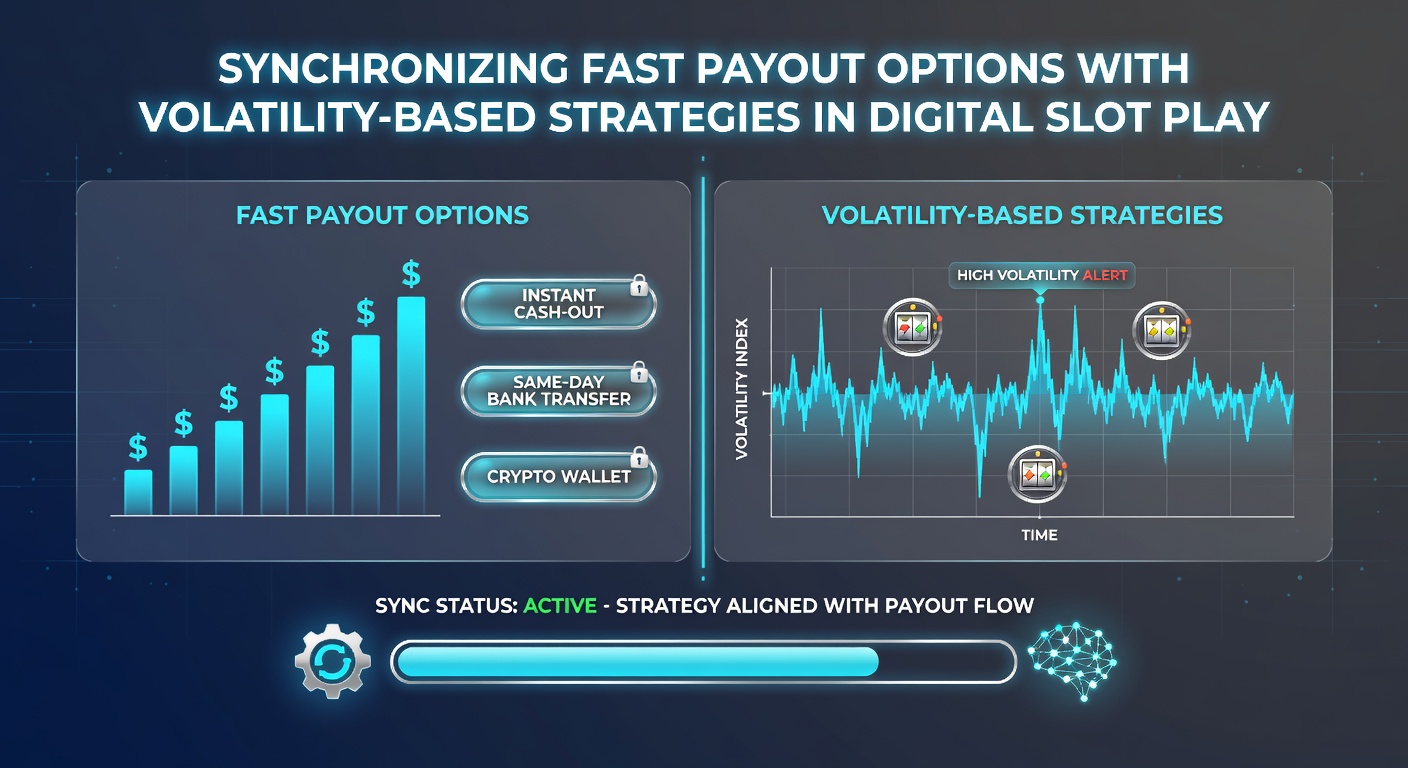
Platform algorithms now surface volatility ratings alongside payout speed indicators at the game selection screen. Users therefore review both data points before committing funds, selecting high-volatility entries when instant or near-instant rails stand ready and reserving slower options for steadier titles where timing exerts smaller influence.
Regulatory Developments Observed in May 2026
Updates rolled out in May 2026 across several North American and European licensing bodies required operators to display standardized volatility labels next to each title along with estimated payout timeframes for common withdrawal methods. Compliance reports indicate that sites adopting these dual disclosures recorded higher rates of session completion within pre-set loss limits, because participants could calibrate both risk exposure and liquidity expectations in one view. The alignment reduces situations where funds remain locked during extended variance swings, an issue previously documented in aggregate transaction data from multiple markets.
Practical Integration Examples
One documented case involved a mid-sized European operator that introduced a volatility filter allowing users to sort games by both payout speed category and variance band. Internal metrics released after six months showed a measurable shift toward balanced selections, with players allocating higher percentages of their session bankroll to medium-variance titles when paired with same-day withdrawal channels. Another instance from an Australian-facing platform revealed that accounts utilizing instant payout verification completed high-variance sessions with fewer mid-session deposits, because realized wins returned to available balances faster and supported continued play without external top-ups.
These patterns emerge because the mathematical expectation of a high-variance slot remains unchanged regardless of cashout speed, yet the practical cash-flow cycle tightens when disbursement occurs within minutes rather than days. Low-variance games, by comparison, generate more predictable credit streams that tolerate slower rails without altering overall session arithmetic.
Conclusion
Coordination between rapid disbursement rails and volatility classification tools continues to evolve as platforms incorporate both data sets into unified interfaces. Figures from regulatory bodies and academic analyses show that shorter processing intervals interact with variance profiles by altering the timing of fund availability rather than the underlying return distributions. As additional jurisdictions adopt labeling requirements similar to those implemented in May 2026, the capacity for users to align these elements at the point of game selection expands across regulated digital environments.