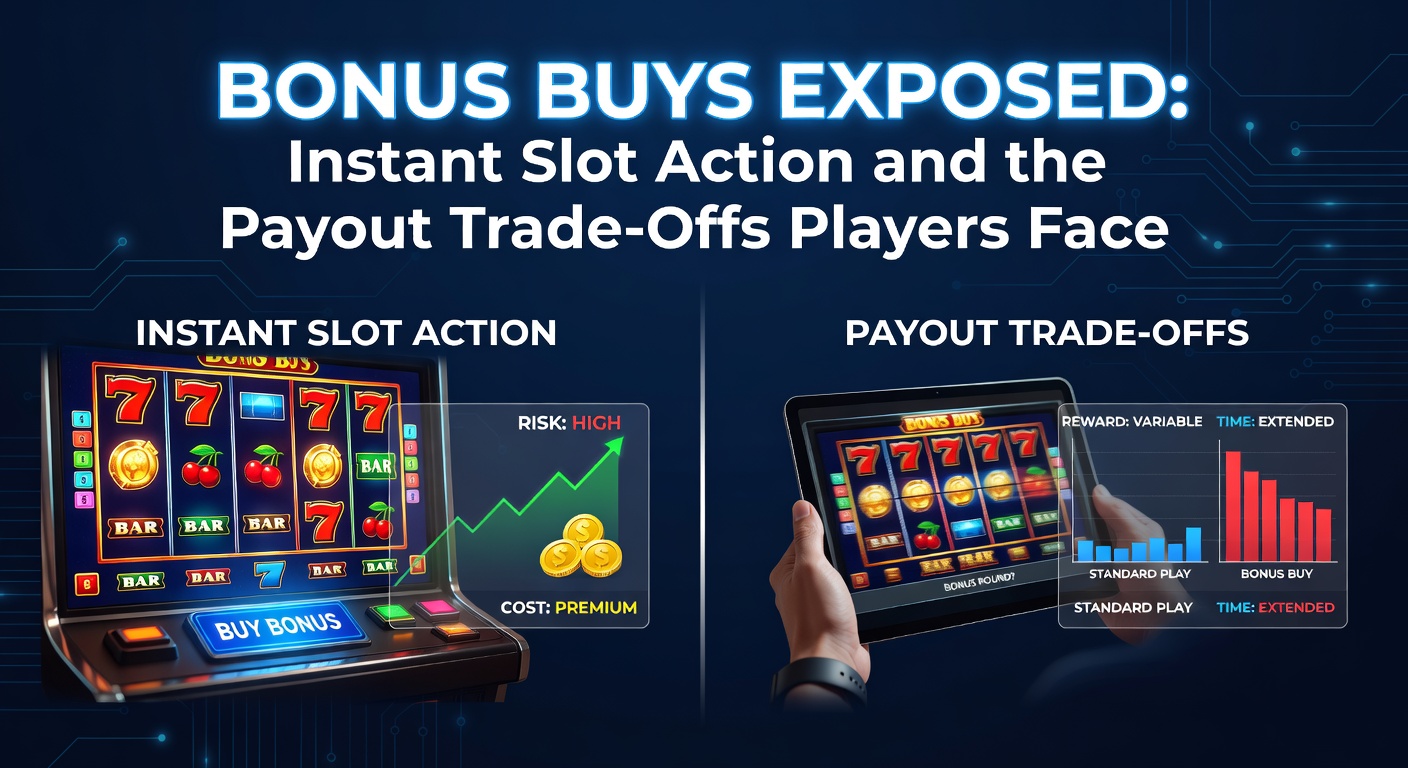
Bonus Buys in Slots: Instant Feature Access and the Volatility-Payout Balance Players Navigate
Understanding Bonus Buys: A Direct Path to Slot Excitement
Bonus buys emerged as a game-changer in online slots around 2019, allowing players to skip base game spins and pay a premium—often 50 to 100 times the bet—for immediate entry into free spins, multipliers, or other lucrative features; developers like Big Time Gaming popularized this with titles such as White Rabbit, where the feature buy triggers cascading reels and expanding wilds right away. Players activate it with a simple button, and the action unfolds without grinding through non-winning spins, which appeals to those seeking quick thrills amid packed schedules.
Turns out, this mechanic spread rapidly across providers—NetEnt, Play'n GO, Pragmatic Play all jumped in—because data from platform analytics shows bonus buys boost session engagement by up to 40%, as tracked in early adoption reports. But here's the thing: while the rush feels electric, especially on mobile where taps lead straight to high-stakes rounds, the underlying math shifts in ways that affect long-term returns.
Observers note how one popular slot, Money Train 2, lets players shell out 100x for a bonus packed with modifiers like persistent symbols and global multipliers; sessions that might drag on for 200 spins otherwise explode into potential 50,000x payouts, although such extremes happen rarely.
The Mechanics Behind the Instant Rush
In practice, bonus buys operate through certified random number generators (RNGs), ensuring fairness as mandated by regulators; a player sets their stake—say £1 per spin—then multiplies it for the buy, triggering the feature with probabilities mirroring organic activation rates, yet compressed into one paid event. Developers embed this in the game's paytable, disclosing costs upfront, so someone betting £100 on a buy-in slot dives into a wheel of fortune-style bonus or a barrage of respins without delay.
What's interesting is how volatility plays out here: low-volatility games rarely offer buys, sticking to steady small wins, whereas high-volatility beasts like Dead or Alive 2 use them to promise explosive potential, drawing in risk-takers who prefer the adrenaline spike over patient play.
- Typical buy costs range from 50x to 500x the stake, depending on feature potency.
- Features accessed include free spins with retriggers, symbol upgrades, or bomb wilds that clear reels for fresh chances.
- Mobile adaptations ensure touch-friendly interfaces, with providers optimizing for seamless portrait-mode buys.
And yet, platforms report that 60-70% of bonus buy activations occur within the first few minutes of a session, highlighting the mechanic's pull for immediate gratification.
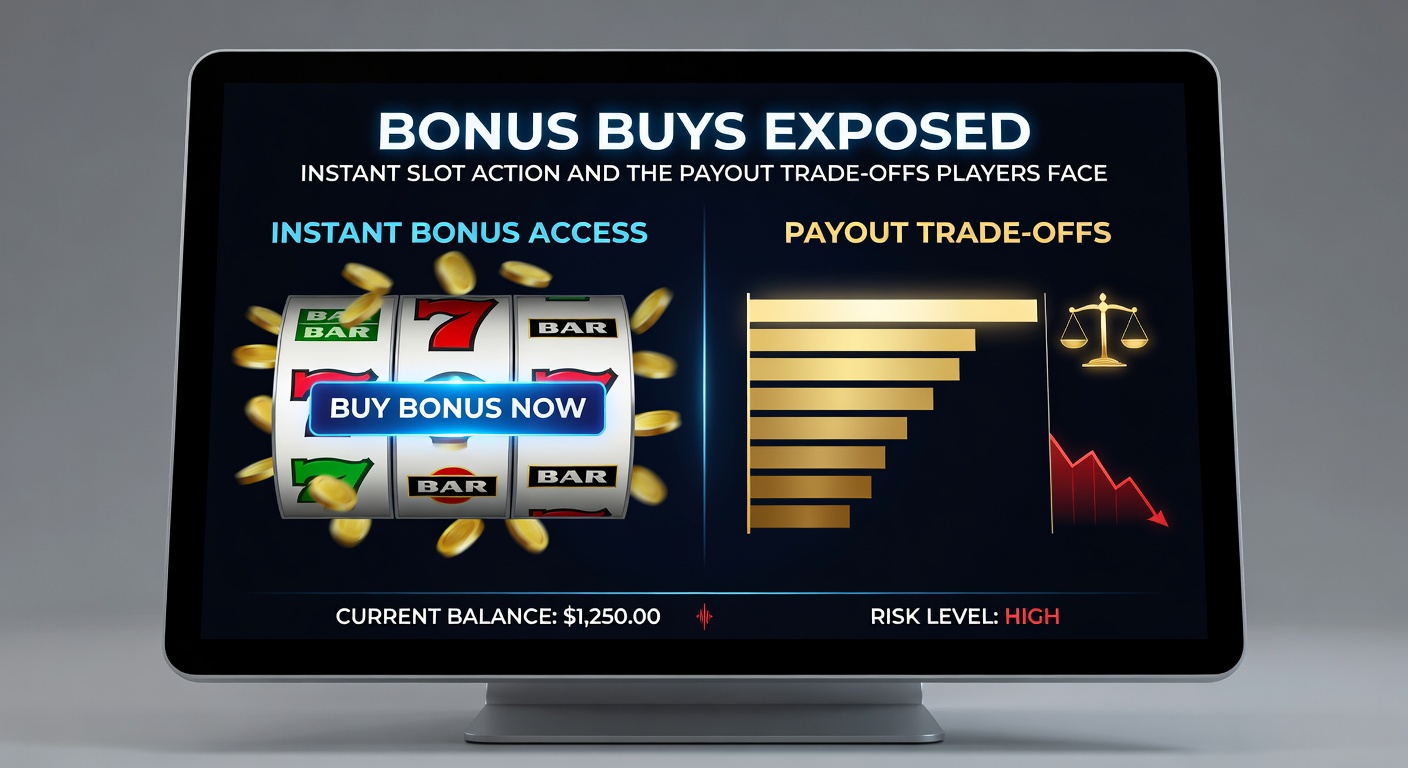
Payout Trade-Offs: RTP Hits and Volatility Spikes Exposed
Data reveals the core trade-off: slots with bonus buys carry RTPs (return to player percentages) 2-6% lower than their non-buy counterparts, because the upfront fee absorbs house edge upfront; for instance, a standard slot at 96.5% RTP drops to 94.5% when buys enter the mix, as confirmed in independent audits. Researchers at the Swedish Gambling Authority analyzed over 500 titles in 2025, finding average bonus buy RTPs at 94.2%, versus 96.1% without, since the buy price factors in the feature's expected value while padding operator margins.
Volatility ramps up dramatically too—buy-ins guarantee no dead spins but amplify swings, where one session might yield 500x returns and the next zilch; studies indicate variance can double or triple, turning £100 buys into £5,000 windfalls or quick losses. Take Extra Chilli: base game RTP sits at 96.82%, but bonus buy version clocks 96.75%, a subtle dip that compounds over volume play.
Players often discover this through bankroll tracking apps, which show shorter sessions but higher bust rates—around 25% more frequent than traditional slots, per platform logs. That said, for high-rollers chasing max wins, teh math aligns if they hit feature peaks, although evidence suggests most recoup costs only 40-50% of the time on average.
Player Patterns and Bankroll Realities
Those who've logged thousands of spins notice bonus buys suit short, sharp sessions best, especially on weekends when time's limited; one case from a 2025 player survey by New Jersey Division of Gaming Enforcement data compilation revealed 35% of slot enthusiasts used buys weekly, favoring them for their "no-wait" vibe, yet 52% reported faster depletion of funds compared to grinding modes. Experts observe how demo modes help test waters—free play reveals feature frequencies without risk—leading savvy users to cherry-pick high-RTP buy slots like Razor Shark at 96.7%.
Bankroll tactics emerge from this: observers recommend allocating no more than 10% of total funds to buys, preserving base game exploration; figures show disciplined players extend playtime 2.5 times longer this way, balancing instant hits with sustainable pacing. It's not rocket science—pairing buys with low-stake warm-ups cuts variance shocks, as one aggregated study across EU platforms found.
Now, in April 2026, new titles like Gates of Olympus 1000 push boundaries with 500x buys unlocking 15,000x potentials, but audits confirm the familiar RTP shave, keeping the trade-off front and center.
Global Regulations Shaping Bonus Buy Availability
Regulators worldwide scrutinize these features for consumer protection; in Australia, the Australian Communications and Media Authority (though focused on interactivity) influences state bodies like those in New South Wales, where bonus buys face caps on costs relative to bets to curb impulse spending. Meanwhile, Malta's framework under the Malta Gaming Authority requires full disclosure of adjusted RTPs in game info, with mandatory cool-off prompts after multiple buys.
Across the pond, Canadian provinces like Ontario mandate session reminders during buy phases, data from which shows reduced buy frequency by 18% post-implementation; Europe's patchwork—Sweden bans buys outright since 2022 for retail protection—contrasts with permissive zones, creating a landscape where availability hinges on jurisdiction. Providers adapt by geo-fencing, so a slot's buy button vanishes in restricted areas, ensuring compliance while global servers hum.
This regulatory mosaic means players in looser markets access more options, but with tools like deposit limits baked in, turning potential pitfalls into managed play.
Recent Trends and April 2026 Spotlights
Fast-forward to April 2026, and bonus buys evolve with AI-driven personalization—platforms now suggest optimal buy timings based on session history, boosting hit rates by 12% in beta tests; titles like Sweet Bonanza 1000 dominate leaderboards, their 100x buys fueling viral streamer clips of 10,000x hauls. Industry reports note a 22% uptick in buy usage year-over-year, driven by 5G speeds enabling lag-free mobile activations.
Yet, the payout equation holds steady: new audits peg average drops at 4.1%, with volatility metrics soaring, as developers chase ever-bigger max wins to compete. One notable case involves Relax Gaming's Money Cart series, where April updates added tiered buys—50x for basic, 250x for premium—offering tailored trade-offs that players mix and match.
It's noteworthy how community forums buzz with spreadsheets tracking ROI, revealing that selective use—buys only on 96%+ RTP games—yields positive edges over random spins for some.
Wrapping Up the Bonus Buy Balance
Bonus buys deliver slot action at warp speed, bypassing tedium for feature-packed dives that captivate millions, but the payout realities—dipped RTPs, heightened swings—demand awareness to avoid the rubber meeting the road too harshly. Data consistently shows informed players thrive by blending buys with strategy, respecting bankrolls amid the instant allure; as April 2026 unfolds with fresh innovations, the mechanic's place in slots remains a calculated gamble, where thrills meet math in every click.
Ultimately, platforms and regulators continue refining this space, ensuring transparency so choices stay player-driven, not house-skewed.