
Bridging Secure Payment Protocols and Sustained Engagement Techniques in Britain's Mobile Casino Applications
Secure transfer protocols form the backbone of mobile casino operations throughout Britain where encrypted channels protect financial data during deposits and withdrawals while tactical approaches help users manage session length and balance preservation in portable applications, and data from industry reports shows that operators integrate these elements to maintain compliance with evolving standards expected to tighten further by August 2026.
Encryption methods such as TLS 1.3 and tokenization reduce exposure risks during transactions, according to analyses from the European Gaming and Betting Association, while users apply bankroll segmentation techniques that divide available funds into fixed portions for each playing period thereby extending engagement without rapid depletion.
Encryption Standards in Mobile Transfers
Operators deploy end-to-end encryption alongside biometric authentication in British mobile platforms to verify transactions in real time, and this setup aligns with requirements outlined in reports from the Australian Communications and Media Authority that emphasize secure data handling across digital gambling environments. Users encounter fewer interruptions when payment gateways process funds through verified channels, which supports longer sessions because verification steps occur seamlessly within the app interface.
Token-based systems replace sensitive card details with unique identifiers that expire after single use, a practice researchers at the University of Nevada's gaming studies program documented as reducing fraud incidents by measurable margins in comparable markets, while British applications incorporate these measures to sustain player trust over repeated interactions.
Tactical Bankroll and Session Management
Participants often divide their total funds into smaller units allocated to specific time blocks, a method that data indicates helps maintain participation across multiple rounds without exhausting resources quickly, and applications provide built-in tools that track these divisions automatically through integrated dashboards. Observers note that such segmentation pairs naturally with secure transfer features because instant confirmation of remaining balances allows adjustments mid-session without leaving the platform.
Time-limit reminders combined with deposit caps appear in several portable casino environments, and studies from the Canadian Centre on Substance Use and Addiction highlight how these features correlate with steadier engagement patterns when paired with reliable transaction security that prevents unauthorized access during active play periods.
Integration of Security and Tactics in Practice
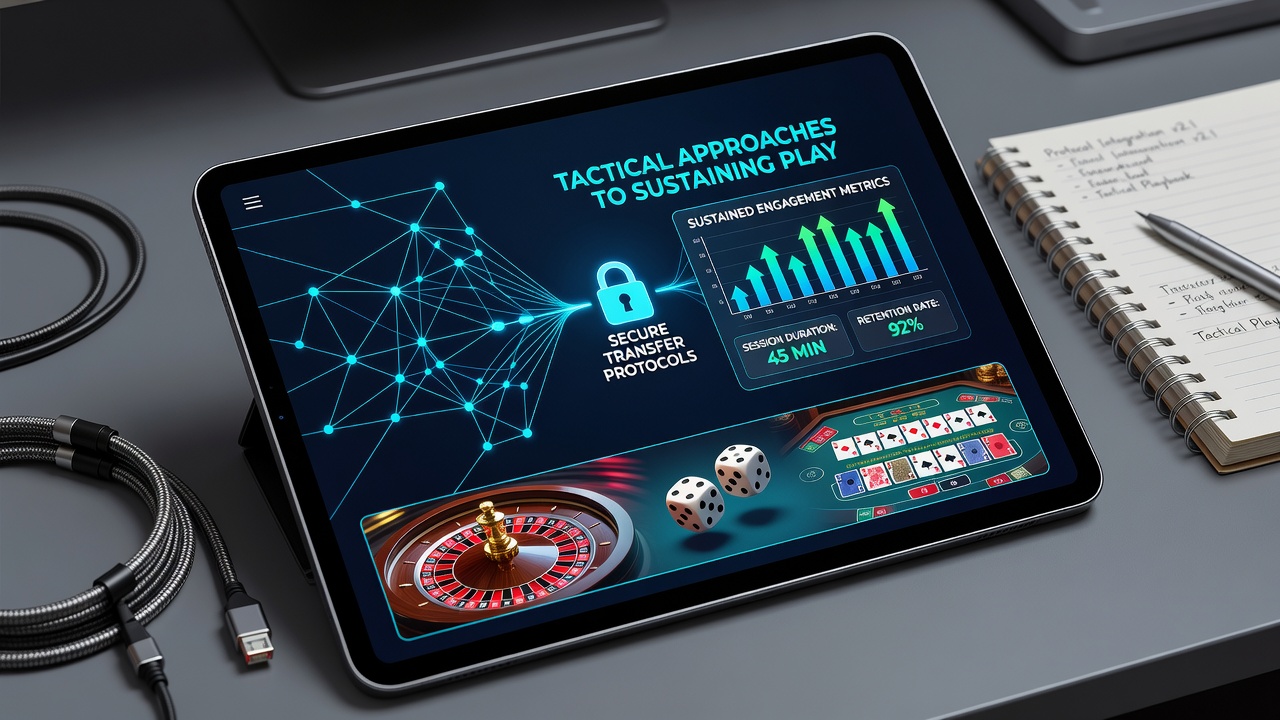
Applications link encrypted transfer logs directly to user dashboards so that every completed transaction updates the visible balance in real time, which enables precise application of session-extension strategies without manual recalculations, and this connection becomes particularly relevant as regulatory updates scheduled for August 2026 are projected to require enhanced audit trails for all mobile financial movements. Those who study platform architecture point out that seamless data flow between payment modules and management tools reduces friction and supports continuous play cycles grounded in factual balance information.
Case examples from licensed operators demonstrate how push notifications about verified deposits arrive alongside optional prompts for setting new allocation limits, thereby reinforcing tactical discipline through the same secure infrastructure that handles the actual fund movements.
Regulatory Context and Future Developments
British mobile casino applications must adhere to data protection frameworks that overlap with financial security mandates, and cross-regional comparisons from the European Commission reveal parallel approaches in neighboring markets where encrypted protocols underpin both compliance and user retention mechanisms. By August 2026 further refinements to these standards are anticipated to influence how tactical tools display transaction histories, allowing users to review spending patterns within protected environments.
Industry associations track adoption rates of multi-factor verification paired with in-app budgeting features, showing consistent growth across portable platforms, while academic reviews continue to examine correlations between secure transaction reliability and duration of user sessions in controlled datasets.
Conclusion
Secure transfer protocols and tactical approaches to sustaining play intersect through shared data pathways in Britain's mobile casino applications, where encryption safeguards financial movements and management techniques rely on accurate real-time information to function effectively, and ongoing developments through August 2026 will likely strengthen these linkages further according to available regulatory projections and research summaries from multiple jurisdictions.