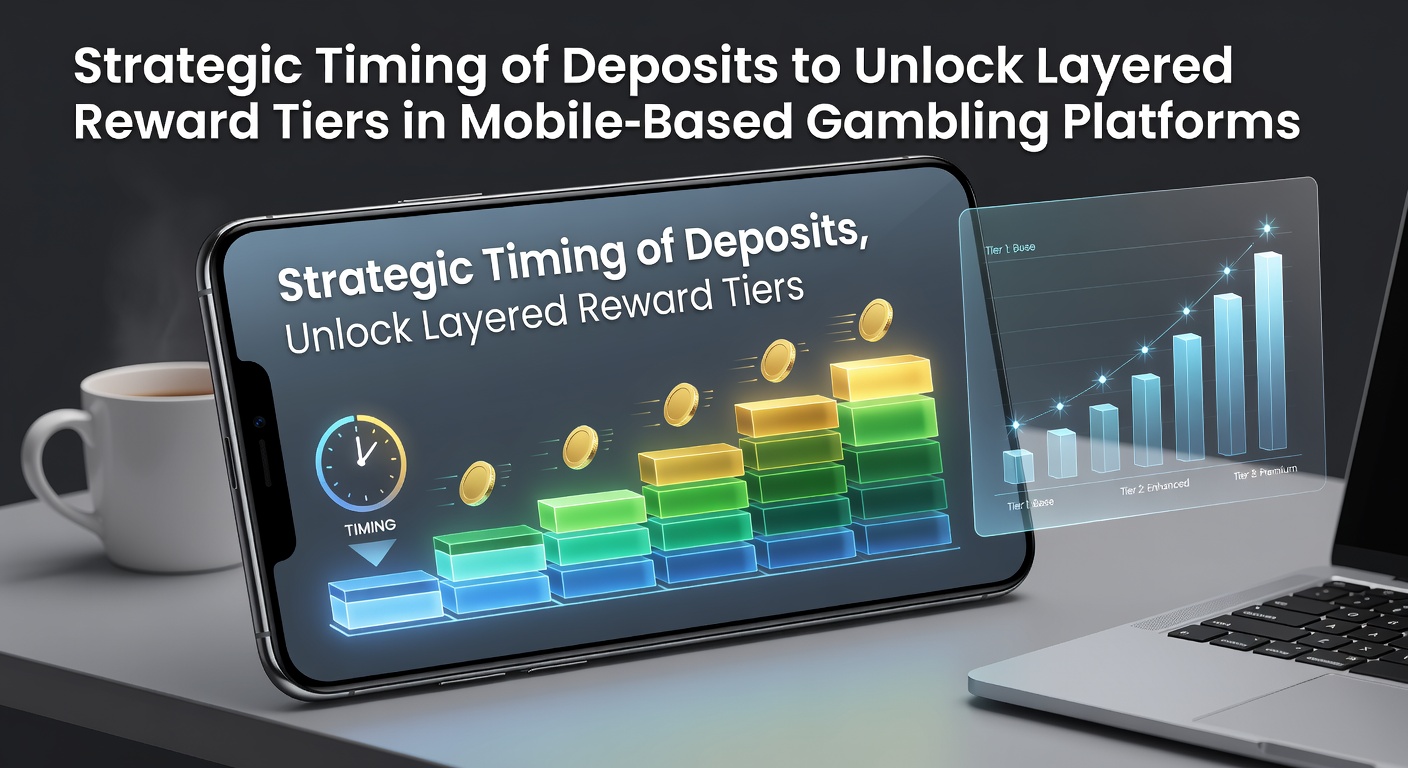
Coordinating Deposit Actions to Access Cumulative Reward Levels in Mobile-Based Gaming Services
Players on mobile gambling platforms encounter structured reward programs where deposit timing directly affects eligibility for successive bonus layers and loyalty advancements, and operators design these systems around calendar cycles, promotional windows, and account activity thresholds. Research indicates that platforms segment rewards into multiple tiers, each requiring specific deposit amounts within defined periods before users advance to higher benefit categories such as increased cashback percentages, exclusive game access, or accelerated loyalty point accumulation.
Mechanics of Tiered Reward Structures
Layered systems operate through progressive qualification rules where initial deposits unlock entry-level perks while subsequent timed deposits within the same cycle satisfy criteria for elevated status, and data from industry reports shows these structures often reset monthly or quarterly to encourage consistent engagement patterns. According to analyses by the American Gaming Association, mobile platforms incorporate deposit frequency metrics alongside total volume to determine tier progression, which creates opportunities for users who align their funding actions with the start of new promotional periods rather than spreading activity evenly across weeks.
Payment processing speed plays a role because instant deposit methods allow users to complete multiple qualifying actions before a tier window closes, whereas slower options may miss the cutoff even if the total amount matches requirements. Studies from university gaming research groups have documented how these timing elements interact with mobile app notifications that alert users to approaching deadlines for tier advancement, and operators integrate these alerts with account dashboards displaying current progress toward the next reward level.
Impact of Calendar-Based Promotional Windows
Many platforms anchor their tier unlocks to specific dates such as the first of each month or holiday weekends when deposit bonuses receive multiplier effects, and this scheduling allows users who monitor these patterns to concentrate larger deposits at optimal moments instead of making smaller frequent transfers throughout the period. Evidence from regulatory filings in Nevada indicates that platforms track deposit timestamps with precision to prevent retroactive qualification, which means actions completed even minutes after a window closes fail to count toward that cycle's tier progression.
Seasonal events around June 2026 have prompted several operators to extend certain loyalty campaigns through mid-year, creating extended windows where cumulative deposits can satisfy multiple tier thresholds simultaneously, and observers note that users who space their deposits across these extended periods rather than front-loading activity sometimes achieve higher overall returns through compound point bonuses.
Platform-Specific Timing Considerations
Mobile applications often feature geo-specific promotions tied to regional events or regulatory updates, which means deposit timing strategies must account for time zone differences when platforms operate across multiple jurisdictions, and one study revealed that users in overlapping time zones achieved better tier results by initiating deposits during off-peak server hours when processing queues moved faster. Payment method availability further influences outcomes because certain e-wallets process deposits with varying confirmation times that can shift whether an action registers before or after a promotional cutoff.

Take one documented case where experts tracked user behavior across several applications and found that those who aligned deposits with the launch of new tier periods rather than waiting until later in the cycle reached higher reward brackets more consistently, while those spreading activity evenly encountered more frequent resets without advancement. Industry organizations such as the European Gaming and Betting Association have compiled statistics showing correlations between deposit clustering at period starts and increased tier completion rates across participating platforms.
Technical Factors Affecting Deposit Registration
Server-side verification processes introduce additional timing variables because deposits must receive full confirmation before they contribute to tier calculations, and network latency on mobile connections can delay this step even when users initiate actions well before deadlines. Research indicates that platforms using blockchain-based payment rails sometimes provide faster verification compared to traditional banking channels, which alters the strategic window users have for completing qualifying deposits.
Account verification status also determines whether deposits count toward rewards, since unverified profiles may have temporary restrictions that prevent tier progression until documentation clears, and users who complete identity checks in advance avoid these interruptions during active promotional periods. Data shows that platforms enforce daily adn weekly deposit caps per tier level, which forces strategic planning around multiple smaller deposits timed across consecutive days rather than single large transfers that exceed limits.
Conclusion
Deposit timing functions as a core variable within mobile gambling reward architectures where layered tiers respond to coordinated funding actions aligned with platform cycles and verification requirements, and available research along with regulatory data demonstrates measurable differences in tier achievement rates based on when users execute deposits. Observers continue tracking how evolving payment technologies and extended promotional periods influence these patterns without altering the fundamental need for precise scheduling within each reward cycle.