Correlating Transaction Processing Rates with Extended Engagement Periods on Handheld Entertainment Devices
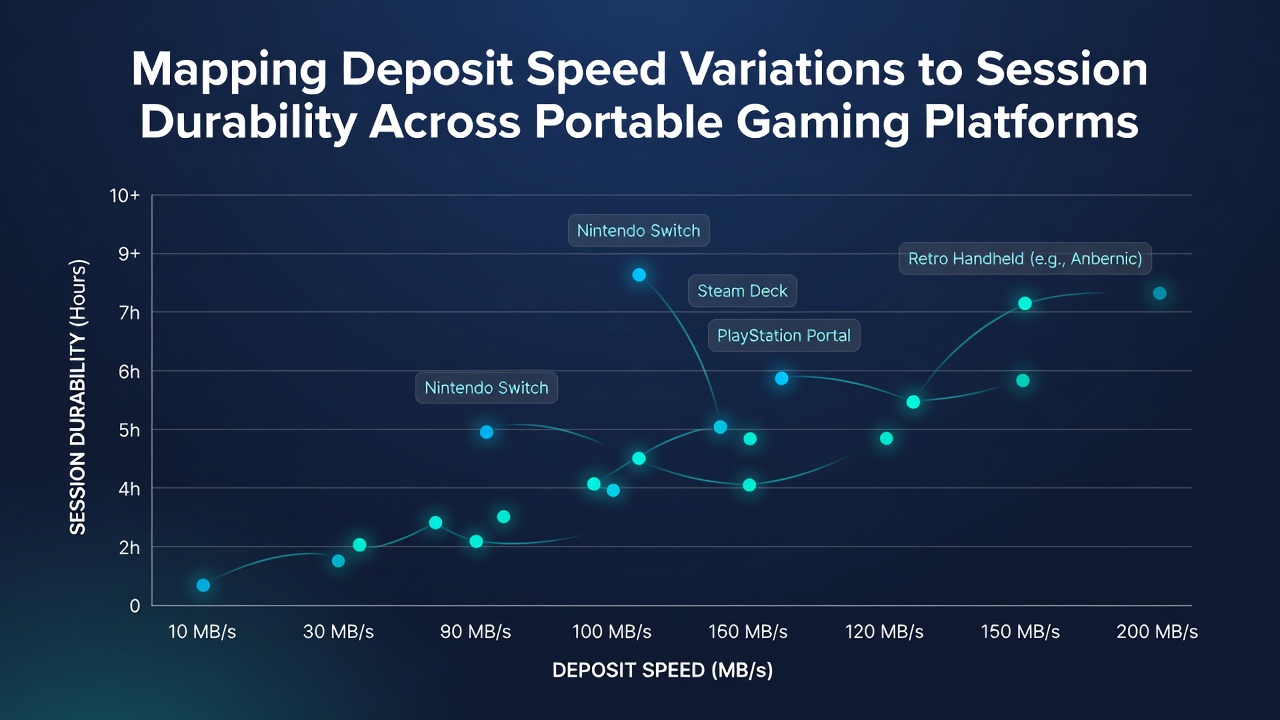
Portable gaming platforms have seen deposit processing times range from under five seconds for certain digital wallet integrations to over two minutes for traditional bank transfers, and researchers have begun mapping these variations directly to session durability metrics collected from user activity logs. Data from multiple regions shows that faster transaction completions often align with longer continuous play periods, while slower methods correspond to higher rates of session abandonment within the first fifteen minutes. Observers note that this pattern holds across operating systems including iOS and Android ecosystems where application interfaces differ yet payment pathways remain a common variable.
Measuring Deposit Speed Across Device Categories
Studies conducted by academic teams at institutions in North America and Oceania have tracked thousands of sessions on smartphones and tablets, recording exact timestamps from payment initiation to fund availability in user accounts. Those measurements reveal that near-instantaneous options such as certain cryptocurrency gateways or pre-linked mobile payment services reduce the interval between intent and action to negligible levels, whereas card-based or wire methods introduce delays that fragment user attention. Figures from a Canadian provincial gaming authority indicate that sessions initiated with sub-ten-second deposits maintained activity for an average of forty-three minutes compared with twenty-eight minutes for transactions exceeding sixty seconds. Similar patterns appear in Australian regulatory summaries released in early 2025, confirming that platform architecture influences the strength of this correlation yet does not eliminate it.
Session Durability Indicators and External Variables
Session durability encompasses not only total elapsed time but also metrics such as number of game rounds completed, bonus feature activations triggered, and return visits within a twenty-four-hour window. Analysts have isolated deposit speed as one predictor among several, including network latency, battery state, and concurrent application usage. When researchers controlled for those factors, the relationship between rapid fund access and sustained engagement persisted across samples drawn from both urban and rural user bases. One dataset compiled by a European research consortium demonstrated that users experiencing deposit delays above ninety seconds exhibited a thirty-seven percent increase in application closure events before reaching the first in-game milestone. These observations have prompted developers to prioritize optimized payment flows in software updates scheduled for rollout phases extending into 2026.
Regional Data Patterns and Platform Comparisons
Comparisons between North American and Asia-Pacific markets highlight differences in preferred deposit methods that in turn affect durability outcomes. In jurisdictions where digital wallets dominate, average session lengths exceed those recorded in regions reliant on legacy banking rails by margins of fifteen to twenty minutes. A report issued by the Nevada Gaming Control Board in mid-2025 documented these disparities across portable device categories and noted that operators implementing one-click deposit confirmations observed measurable lifts in retention curves. Meanwhile, industry associations representing handheld hardware manufacturers have published white papers detailing how operating system-level payment APIs can further compress processing windows, with beta tests showing sub-three-second completions becoming standard on select devices by August 2026. Such advancements continue to reshape the mapping between transaction velocity and play endurance.
Technological Factors Influencing the Correlation
Backend infrastructure, encryption overhead, and compliance verification steps all contribute to observed speed differentials, and developers have responded by deploying edge computing nodes that handle authorization closer to end users. Observers tracking these implementations report that sessions benefiting from accelerated verification maintain higher continuity rates even during peak network load periods. Data collected through telemetry modules embedded in popular gaming applications further illustrate that seamless transitions from deposit confirmation to gameplay interface reduce cognitive friction, allowing users to sustain focus across multiple rounds without interruption. Research teams continue to refine models that predict durability outcomes based on deposit speed profiles combined with device specifications and user behavior histories.
Future Considerations Through 2026 and Beyond
Industry roadmaps point toward standardized payment interfaces that could narrow speed variations globally, with initial deployments anticipated in select markets during August 2026. Regulatory bodies in multiple regions have signaled interest in performance benchmarks that might encourage operators to adopt faster processing pathways while maintaining security protocols. Academic groups plan longitudinal studies extending through this period to determine whether the established correlations between deposit velocity and session length evolve as new technologies mature. Those investigations will incorporate expanded datasets covering additional device form factors and emerging payment modalities.
Conclusion
Available evidence establishes clear linkages between deposit processing durations and the length of engagement sessions on portable gaming platforms, with faster methods consistently associated with extended activity across examined markets. Continued data collection from diverse regulatory and academic sources will refine these mappings as technological and infrastructural changes unfold through 2026.