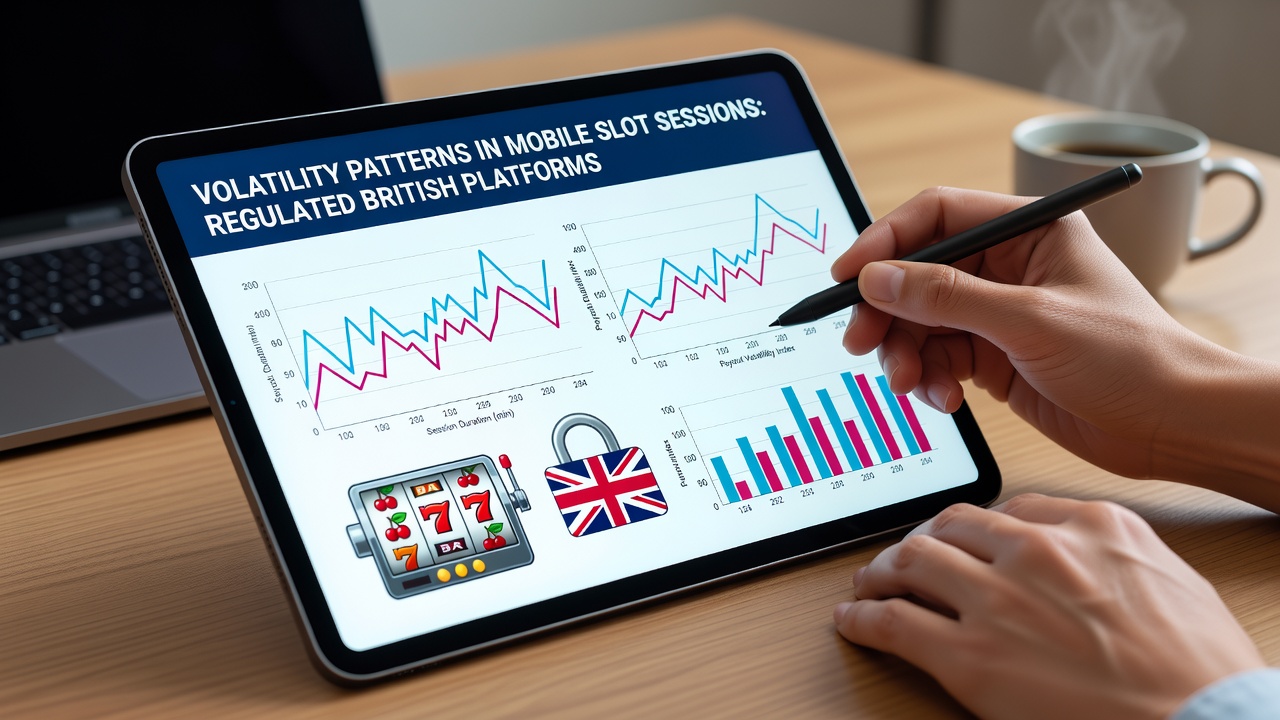
Decoding Risk Profiles in Mobile Slot Play on Licensed British Platforms
Volatility in slot games refers to the frequency and size of payouts, with low-volatility titles delivering smaller wins more often while high-volatility options produce larger but less frequent returns. Data from regulated British mobile platforms shows clear patterns in how players interact with these mechanics across different session lengths and times of day.
Session Length and Volatility Preferences
Shorter sessions under fifteen minutes tend to favor low-volatility games according to aggregated platform metrics, because players complete more spins and encounter steady small returns that sustain engagement. Longer sessions exceeding forty-five minutes shift toward medium-volatility titles, where the balance between win frequency and payout size supports extended play without rapid bankroll depletion. Researchers at academic institutions have documented similar distributions in controlled studies of digital gambling behavior.
Time-of-Day Variations
Evening hours between 8 pm and midnight record higher engagement with high-volatility slots on mobile devices, while morning and early afternoon periods show stronger activity in low-volatility categories. Platform operators note that these shifts align with user availability patterns rather than external promotional activity. One analysis of session logs revealed that weekend afternoons produce the most consistent mix across volatility levels, suggesting players experiment more freely when time pressure remains low.
Device type also influences outcomes. Smartphones with smaller screens see slightly elevated play in medium-volatility games compared with tablets, possibly because touch controls encourage quicker decision cycles. Cross-platform data indicates that players who switch between devices within the same session often adjust volatility selections accordingly, moving from high-volatility on tablets to lower-volatility on phones.

Seasonal and Regulatory Context Through August 2026
Leading into August 2026, platform records show stable volatility distributions despite broader industry adjustments to machine standards scheduled for later that year. Observers tracking mobile traffic note no abrupt spikes in high-volatility play during summer months, although overall session volume increases modestly. Figures from industry associations outside the UK, such as those compiled by the Gaming Technologies Association, reveal parallel trends in other regulated markets where mobile adoption continues to grow.
Payment method integration further shapes these patterns. Sessions funded through instant digital wallets display marginally higher average volatility selection than those using traditional cards, because faster transaction times allow players to reload and switch games without interruption. Yet the core volatility preferences remain consistent across funding types once play begins.
Comparative Data from Other Jurisdictions
International benchmarks provide additional context. Reports issued by the National Council on Problem Gambling in the United States highlight that mobile slot volatility patterns in state-regulated environments mirror those observed on British platforms, with low-volatility titles dominating brief sessions. Academic papers examining Canadian provincial data reach similar conclusions about session timing and game selection.
These cross-border similarities suggest that volatility behavior stems more from game design mechanics than from specific regulatory frameworks. Platform developers continue to refine volatility meters and preview tools to help users anticipate payout rhythms before committing funds.
Conclusion
Volatility patterns in mobile slot sessions on regulated British platforms follow predictable rhythms tied to session duration, time of day, and device. Data collected through 2026 indicates these trends persist even as technical standards evolve. Continued monitoring by researchers and industry groups will clarify whether future machine updates alter established player preferences or simply reinforce existing distributions.