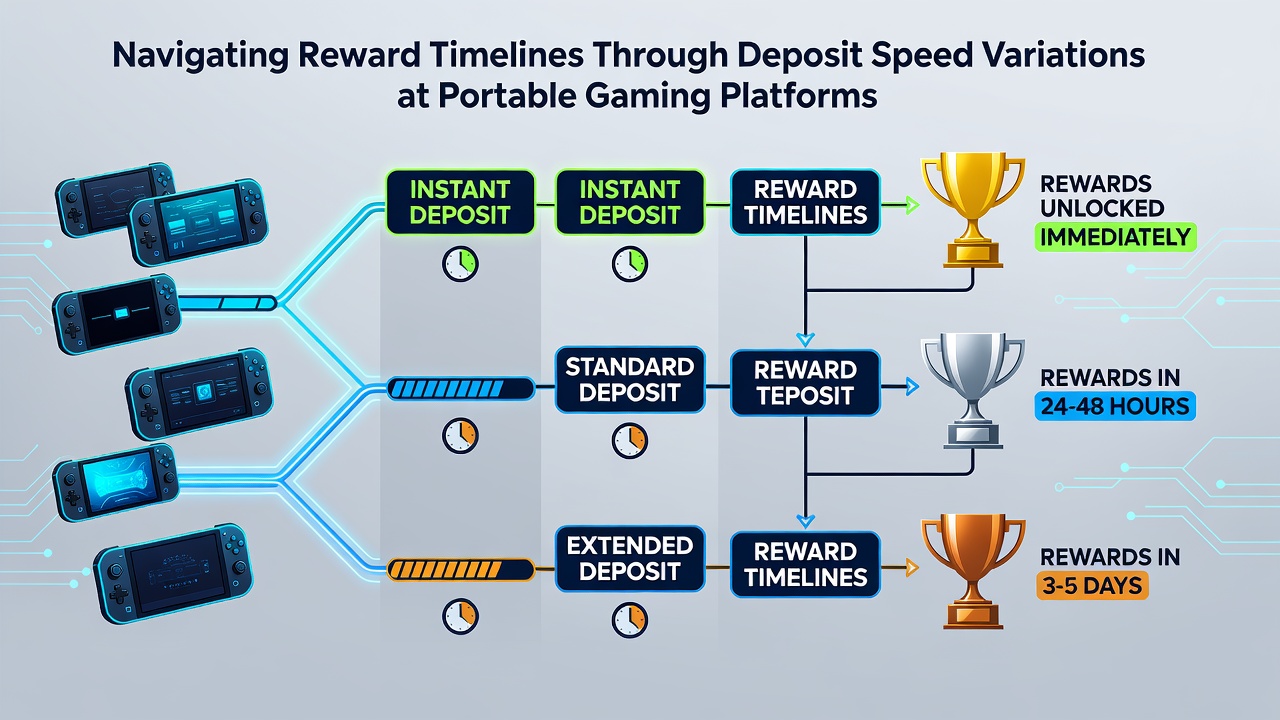
Deposit Processing Variations Shape Reward Activation Windows at Mobile Gaming Sites
Payment method choices determine how quickly players access promotional credits and bonus rounds across handheld casino platforms, and observers note that these timelines vary sharply depending on whether deposits clear in seconds or take hours to finalize. E-wallets such as PayPal and Skrill often complete transfers within moments, which allows reward systems to activate loyalty points or free spin packages almost immediately, whereas bank transfers or certain card processors introduce delays that push reward crediting to the next business cycle.
Payment Speed Categories and Their Direct Influence on Bonus Timing
Instant deposit channels include many digital wallets and some prepaid card systems, and these routes trigger automated verification sequences that release matched bonuses or cashback offers without manual review. Slower options like wire transfers require additional confirmation steps from both the financial institution and the gaming operator, which stretches the window between deposit confirmation and reward eligibility by twelve to forty-eight hours in documented cases. Research from the European Gaming and Betting Association indicates that platforms adjust reward schedules programmatically once a deposit reaches cleared status, so the underlying processing duration becomes the primary variable controlling access.
Those who study transaction logs at multiple operators report that cryptocurrency deposits frequently match the speed of e-wallets, yet network congestion can extend settlement times during peak periods. When a deposit lands quickly, the system logs the transaction in real time and applies any attached promotional multiplier before the player even launches a game session. Slower deposits, by contrast, hold rewards in a pending queue until the funds post fully, and this queue behavior appears consistently across operators that follow standardized payment gateway protocols.
Regional Regulatory Shifts Affecting Processing Standards
Industry reports show that several jurisdictions outside the United Kingdom are introducing updated verification requirements that platforms must implement before July 2026. The Australian Communications and Media Authority has circulated draft guidelines requiring enhanced identity checks on deposits above certain thresholds, and these checks add an extra layer that can delay reward activation even for fast payment methods. Canadian provincial regulators have signaled similar adjustments, focusing on real-time fraud screening that runs parallel to deposit processing. Operators therefore test new gateway integrations now so that reward timelines remain stable once the rules take effect.
One operator in Malta documented a six-month pilot that shortened average reward activation from forty minutes to under ten minutes after switching to an upgraded API for instant bank transfers. The same study revealed that players using slower legacy methods still experienced the original delay, demonstrating that reward timelines track deposit speed rather than platform policy alone.
Practical Examples from Mobile Platform Data
Figures from the Interactive Gaming Council reveal that e-wallet deposits accounted for sixty-two percent of mobile transactions in the most recent quarter examined, and those transactions correlated with the highest rate of same-session bonus redemptions. Card deposits represented twenty-eight percent and showed a median reward delay of three hours, while bank transfers made up the remaining share and produced delays exceeding one full day in most instances. Players who monitor these patterns often select payment methods based on when they intend to claim time-sensitive promotions rather than on fee structures alone.
Take one case where a platform introduced tiered rewards that scale with deposit velocity. Deposits clearing under five minutes received an additional ten percent loyalty multiplier, while those taking longer than two hours received the base rate only. Data from that rollout showed a measurable shift toward faster payment options without any change in overall deposit volume.
Technical Factors Behind Timeline Differences
Automated risk engines evaluate each deposit for fraud indicators before releasing funds to the gaming wallet, and the complexity of that evaluation scales with the payment rail chosen. E-wallets maintain pre-verified user profiles that allow near-instant clearance, whereas card networks and traditional banks transmit additional authorization codes that require sequential validation. Mobile platforms optimize their backend queues to prioritize instant rails, which further compresses reward activation for those methods while leaving slower rails in standard processing lanes.
Observers note that network latency on the player's device can add minor variance even for fast methods, yet the dominant variable remains the payment provider's settlement speed. When operators publish expected timelines in their terms, they base those estimates on aggregated clearing data rather than on worst-case scenarios, and updates to those estimates occur quarterly as new processing partnerships form.
Conclusion
Deposit speed directly governs when rewards become available on portable gaming platforms, and the differences arise from payment infrastructure rather than operator discretion. As verification standards evolve toward July 2026 across multiple regions, platforms continue refining gateway connections to preserve consistent reward timelines regardless of the underlying payment method. Players who track these mechanics can align their deposit choices with intended play windows, while operators maintain compliance through ongoing technical adjustments documented in industry association reports.