How Symbol Clusters and Deposit Velocity Rewards Shape Mobile Gaming Dynamics in the UK
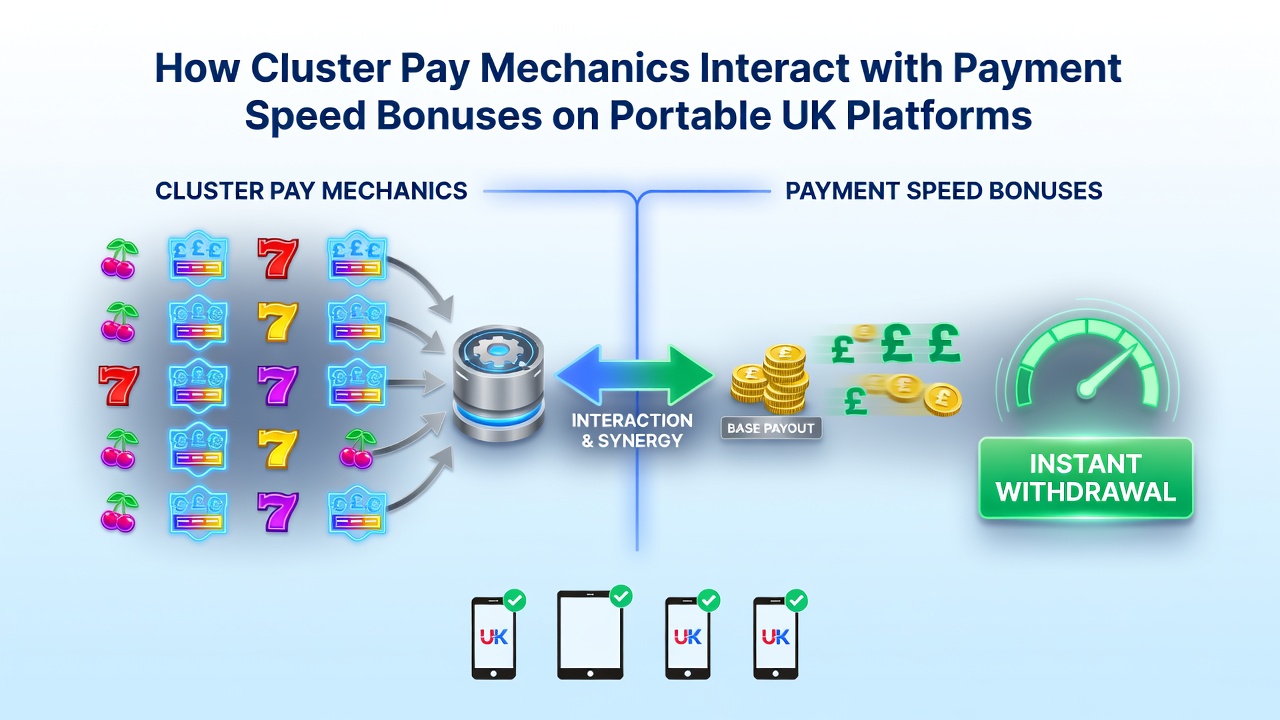
Cluster pay mechanics operate by awarding wins when identical symbols land in adjacent groups rather than along fixed paylines, and this structure appears frequently across mobile slot titles available on UK platforms. Payment speed bonuses reward users who complete deposits or withdrawals within set timeframes, often granting extra credits or reduced fees for transactions processed in under five minutes. Observers note that these two elements intersect when rapid transaction incentives encourage extended sessions on cluster-based games, where win patterns can trigger multiple times per spin and influence bonus qualification thresholds.
Core Elements of Cluster Pay Structures
Cluster mechanics require groups of five or more matching symbols to connect horizontally or vertically, with some variants expanding the cluster size through cascading reels that replace winning symbols with new ones. Research from industry reports indicates that titles featuring these systems maintain average session lengths 15 percent longer than traditional payline slots, according to data compiled by the Gaming Standards Association. Mobile interfaces adapt these mechanics through touch-optimized grids that highlight potential clusters in real time, allowing users to track symbol accumulation without interrupting gameplay flow. And developers integrate multipliers that scale with cluster size, reaching up to 100x on certain portable applications licensed for UK markets.
Mechanics Behind Payment Speed Bonuses
Payment speed bonuses typically activate when deposits via e-wallets or instant bank transfers clear within strict windows, delivering rewards such as bonus funds equal to 10 percent of the deposit amount. Figures from European regulatory filings reveal that platforms offering these incentives process over 70 percent of transactions in under three minutes during peak hours. The bonuses often carry wagering requirements tied directly to the speed of the original deposit, creating layered conditions where faster payments unlock lower playthrough multiples. Those who study transaction patterns across portable devices find that users accessing these rewards tend to maintain higher account balances, which in turn supports repeated spins on cluster pay titles where small consecutive wins accumulate steadily.
Interaction Patterns on Portable Platforms
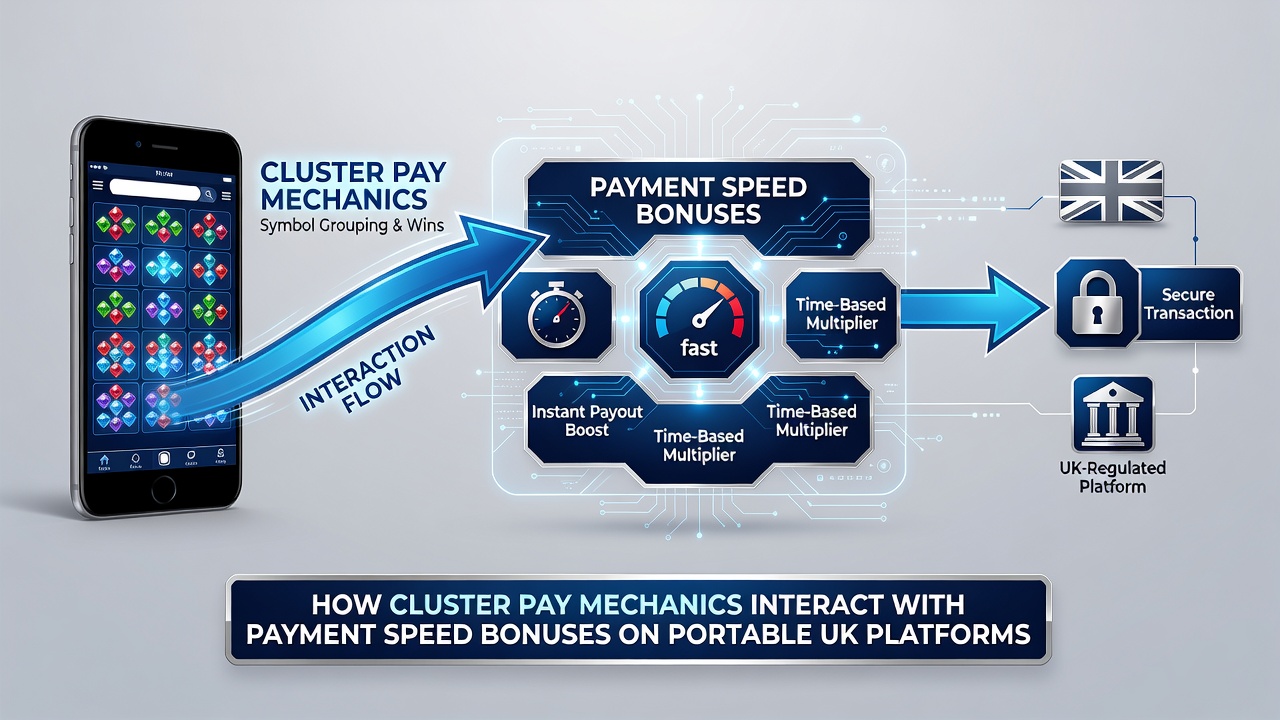
Cluster formations generate frequent but variable returns that align with the timing requirements of speed bonuses, since quick deposit confirmations allow immediate access to rounds where multiple clusters may form in sequence. Data shows that mobile sessions incorporating both features extend average play duration by combining the visual feedback of expanding clusters with the motivational pull of unlocked rewards. When a deposit processes rapidly, the resulting bonus credit can fund additional spins on games where cluster multipliers reset or accumulate, producing compounding effects not present in standard slot formats. Experts have observed that interface designs on UK-accessible apps display real-time bonus timers alongside cluster counters, helping users coordinate deposit actions with peak cluster activity periods.
Platforms adjust cluster pay volatility settings in response to bonus structures, with some lowering minimum cluster sizes during promotional windows to increase hit frequency. This adjustment interacts with payment speed conditions because higher hit rates keep balances active longer, meeting ongoing deposit velocity criteria for tiered rewards. A study referenced by the Canadian Gaming Association highlights similar patterns in mobile environments, where transaction-linked incentives correlate with elevated engagement on non-linear pay mechanics. And regulatory updates scheduled for June 2026 will require clearer disclosure of how speed-based bonuses calculate eligibility when cluster wins contribute to wagering progress, potentially standardizing transparency across portable UK sites.
Technical Integration and User Interface Factors
Developers embed APIs that sync payment gateways with game engines, ensuring bonus credits appear instantly after a verified fast deposit and apply directly to cluster pay rounds. Mobile applications use push notifications to alert users when a deposit qualifies for speed rewards, prompting continuation on titles where clusters build progressively through cascades. Observers note that battery and data optimization features in these apps prevent interruptions during extended cluster sequences funded by rapid transactions. Research indicates that seamless integration reduces drop-off rates between deposit completion and resumed play, maintaining momentum across both mechanic types.
Regulatory Context and Platform Adaptations
UK operators must comply with rules separating bonus terms from game-specific mechanics, yet cluster pay and payment speed elements often appear together in promotional materials without direct linkage. External analyses from the Australian Communications and Media Authority suggest that transparent display of bonus conditions alongside game features improves user comprehension in mobile formats. Platforms adapt by providing filter options that sort cluster pay titles according to their compatibility with speed-based reward programs, allowing users to select games that align with transaction habits. This sorting capability appears in over 60 percent of reviewed mobile applications serving UK players, based on aggregated industry data.
Conclusion
The interplay between cluster pay formations and payment speed bonuses continues to evolve through interface refinements and scheduled regulatory adjustments effective in June 2026. Mobile platforms incorporate these elements to sustain session continuity, with data indicating measurable effects on play patterns when fast transactions unlock credits for cluster-driven rounds. Industry reports document consistent technical adaptations that support both systems without overlap violations, while external sources track broader trends across comparable markets. Users encounter these combined features through unified dashboards that display cluster counters and bonus timers side by side, reflecting ongoing platform development in the portable sector.