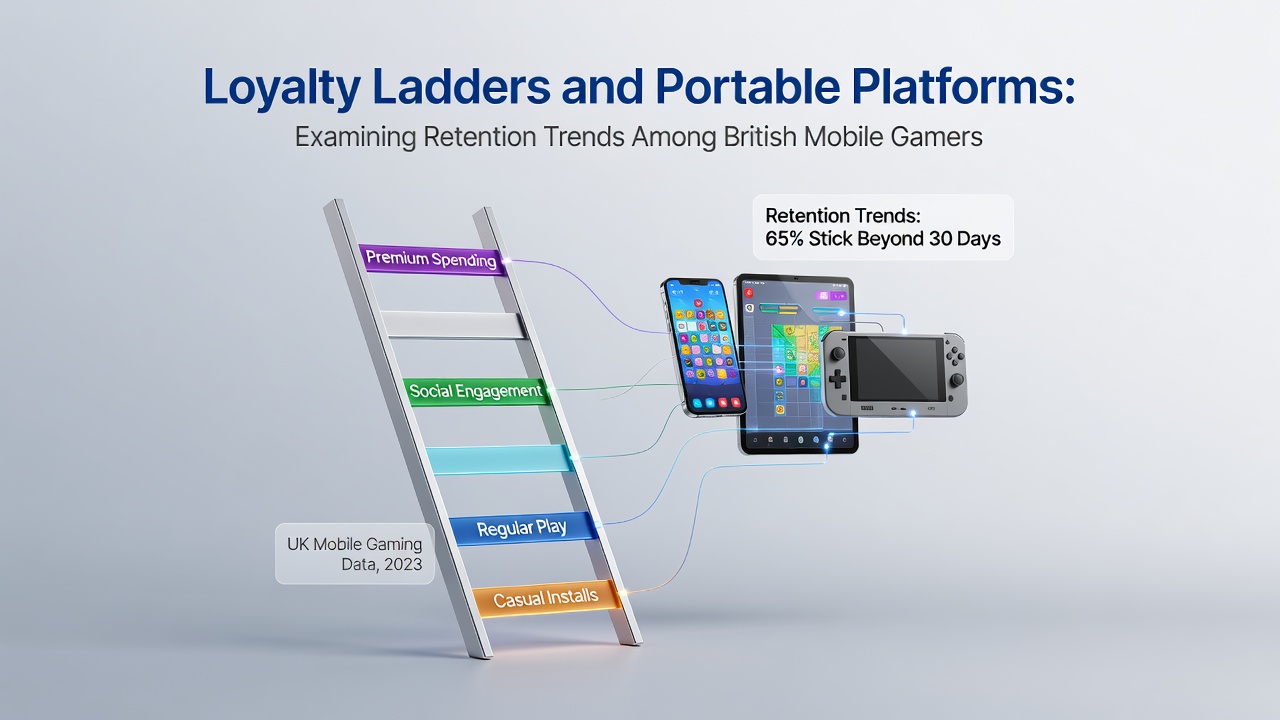
Loyalty Ladders and Portable Platforms: Examining Retention Trends Among British Mobile Gamers
British mobile gamers have shown steady shifts in how they interact with tiered reward structures, often called loyalty ladders, while using portable platforms that allow access from anywhere with a signal; these systems reward continued play through progressive levels that unlock higher perks such as bonus credits, exclusive games, and faster withdrawal options.
Data from multiple industry analyses reveals that retention rates improve when players advance through multiple tiers rather than remaining at entry levels, with mobile interfaces making it easier to track progress and claim rewards on the go compared to desktop sessions alone.
Understanding Loyalty Ladder Mechanics in Mobile Contexts
Loyalty ladders function as stepped programs where initial play earns points that move users into higher brackets, and each bracket delivers scaled benefits that encourage longer engagement periods; British operators have adapted these structures to mobile apps by integrating real-time notifications that alert players when they near the next threshold, which keeps sessions active without requiring separate logins on larger screens.
Research indicates that players who reach mid-tier status within the first month demonstrate higher return rates over subsequent quarters, since the visible progress markers create momentum that desktop-only setups sometimes fail to replicate at the same speed.
Portable Platform Adoption Patterns
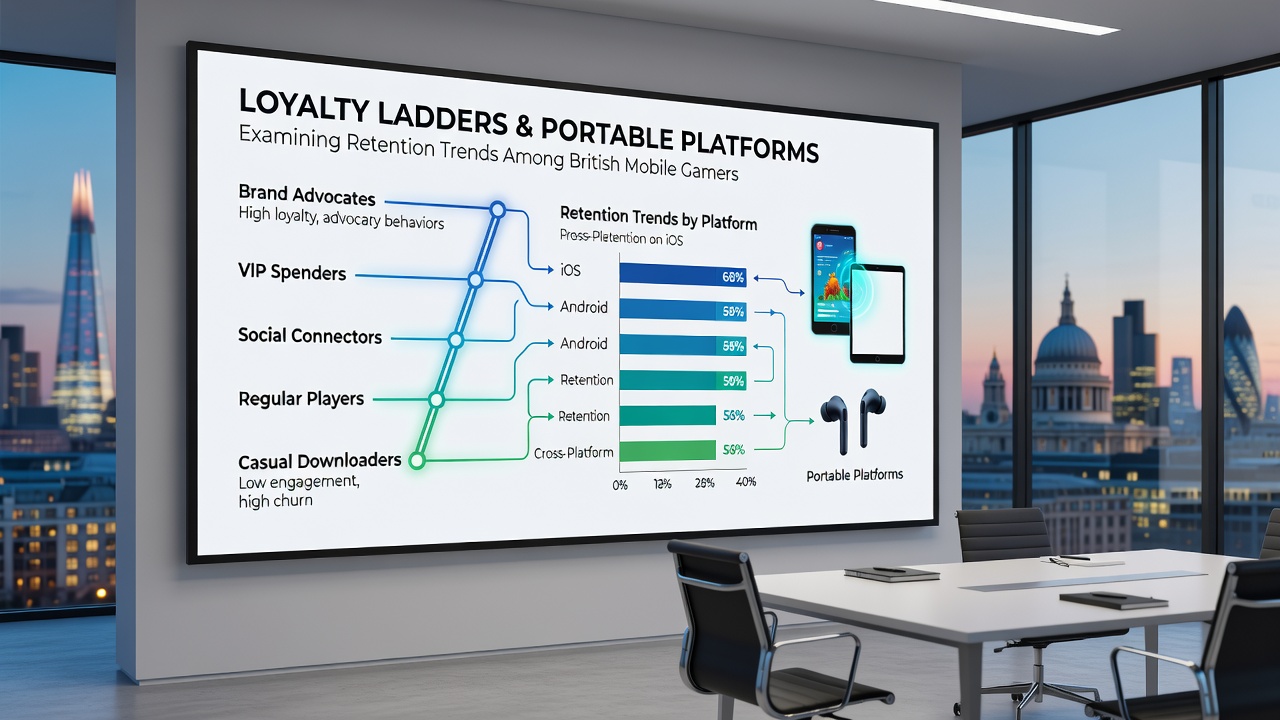
Portable devices now account for the majority of session starts among British players, and this trend ties directly into retention because apps support seamless switching between games while maintaining loyalty point balances across sessions; operators have noted that push notifications tied to ladder progress reduce churn by prompting returns within 24 hours of a completed level.
Studies conducted across North American and European markets, including reports from the Responsible Gambling Council, show similar patterns where mobile users who engage with loyalty features complete more play cycles than those using stationary platforms exclusively.
Key Retention Metrics and Data Trends
Figures released through various gaming associations highlight that mobile loyalty participants maintain active accounts for an average of 14 weeks longer than non-participants, while daily active user counts rise when apps include visual progress bars for ladder advancement; these metrics hold across age groups, though younger cohorts show faster initial climbs due to higher session frequency on smartphones.
What's interesting is how portable platforms allow operators to layer in location-based triggers, such as bonus alerts near popular venues, which further supports retention without relying solely on in-game achievements.
Integration of Technology and Player Behavior
Observers note that British mobile gamers respond well to loyalty ladders that incorporate social elements, such as leaderboards visible only within the app, because these features turn individual progress into shared competition that extends playtime; portable platforms facilitate this through quick logins and background syncing that keeps data current across devices.
One analysis from academic sources at the University of Nevada, Reno found that reward structures emphasizing consistent small gains over rare large payouts align better with mobile usage habits, where shorter but repeated sessions dominate daily routines.
Operators have adjusted ladder designs accordingly by offering mobile-exclusive tiers that require app-based check-ins, and these adjustments correlate with improved month-over-month retention numbers reported in trade summaries.
Comparative Insights from Broader Markets
Patterns observed in the UK mirror those documented in other regions, where portable access combined with tiered rewards produces steadier engagement curves; for instance, Canadian data compiled by provincial regulators shows that loyalty ladder participants using mobile apps exhibit lower dropout rates at the three-month mark compared to those limited to web browsers.
Yet British implementations stand out for their emphasis on instant reward redemptions directly within apps, which removes friction that might otherwise interrupt momentum built through ladder progression.
Conclusion
Retention trends among British mobile gamers continue to reflect the combined influence of loyalty ladders and portable platforms, with available statistics pointing to extended account activity when both elements work together; ongoing adaptations in app design and reward delivery suggest these systems will remain central to how operators maintain player bases moving forward, particularly as device capabilities expand further.