Payment Processing Rates and Their Influence on Reward Timing in Portable Gaming Networks
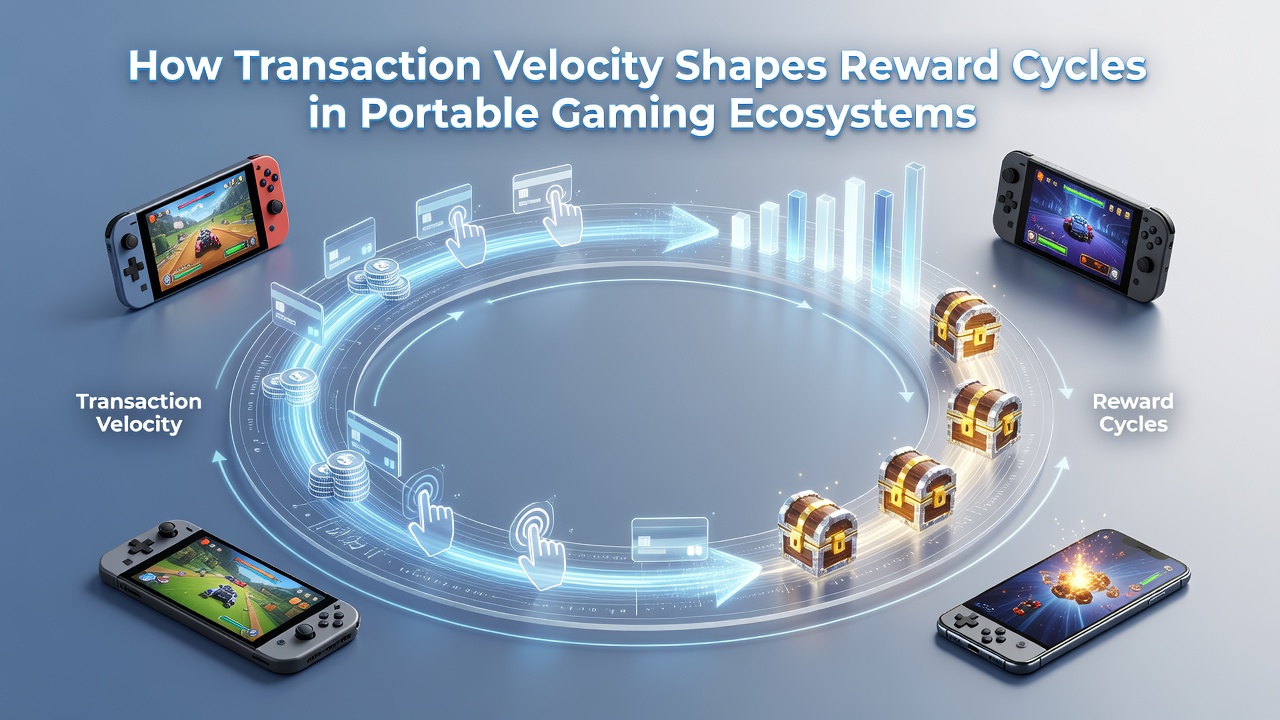
Portable gaming platforms have developed intricate systems where the speed of financial transactions directly affects how rewards distribute to players over time, and data from industry analyses show that faster processing correlates with tighter cycles of incentives that encourage repeated engagement within short windows.
Developers structure reward mechanisms around login streaks, progression milestones, and limited-time events, yet the velocity at which players complete purchases determines whether those rewards arrive in rapid succession or stretch across extended periods. Studies conducted by academic researchers at institutions such as the University of California, Irvine indicate that games integrating instant payment gateways experience higher rates of consecutive reward claims compared with titles that rely on slower verification steps.
Core Mechanics Linking Speed and Incentives
Transaction velocity refers to the elapsed time between a player's initiation of a purchase and the system's delivery of corresponding value, whether that value takes the form of virtual currency, item unlocks, or experience multipliers, and portable ecosystems optimize this metric through streamlined checkout flows that reduce friction at each stage. When processing completes in seconds rather than minutes, reward cycles compress accordingly, allowing players to chain multiple incentives within a single session, whereas delays of even thirty seconds can interrupt momentum and shift activity toward alternative applications.
Engineers at major studios adjust backend ledgers and cloud-based ledgers so that confirmed transactions trigger immediate updates to player profiles, and this design choice produces measurable differences in daily active user patterns across comparable titles. Reports from the Entertainment Software Association document how titles with sub-five-second average transaction times maintain steadier reward distribution curves throughout the month, while those averaging longer intervals show clustered activity spikes followed by pronounced drop-offs.
Regional Data Patterns Emerging in Mid-2026
Market figures released in August 2026 by the Australian Interactive Games Association reveal that mobile titles operating across Oceania markets recorded a 17 percent increase in reward cycle frequency after implementing regional payment accelerators, and similar patterns appear in North American data sets where integrated billing systems reduced average latency by 40 percent. These shifts alter how often players encounter new incentive opportunities, because the underlying algorithms tie reward eligibility windows directly to recent transaction history rather than calendar dates alone.
One documented case involves a popular role-playing game that introduced near-instant currency packs during a summer event series, after which player logs showed reward redemptions occurring at intervals 2.3 times shorter than the previous quarter. Observers tracking telemetry note that such compression encourages developers to recalibrate difficulty curves and event durations so that the accelerated pace does not overwhelm core progression systems.
Design Adjustments Across Ecosystems
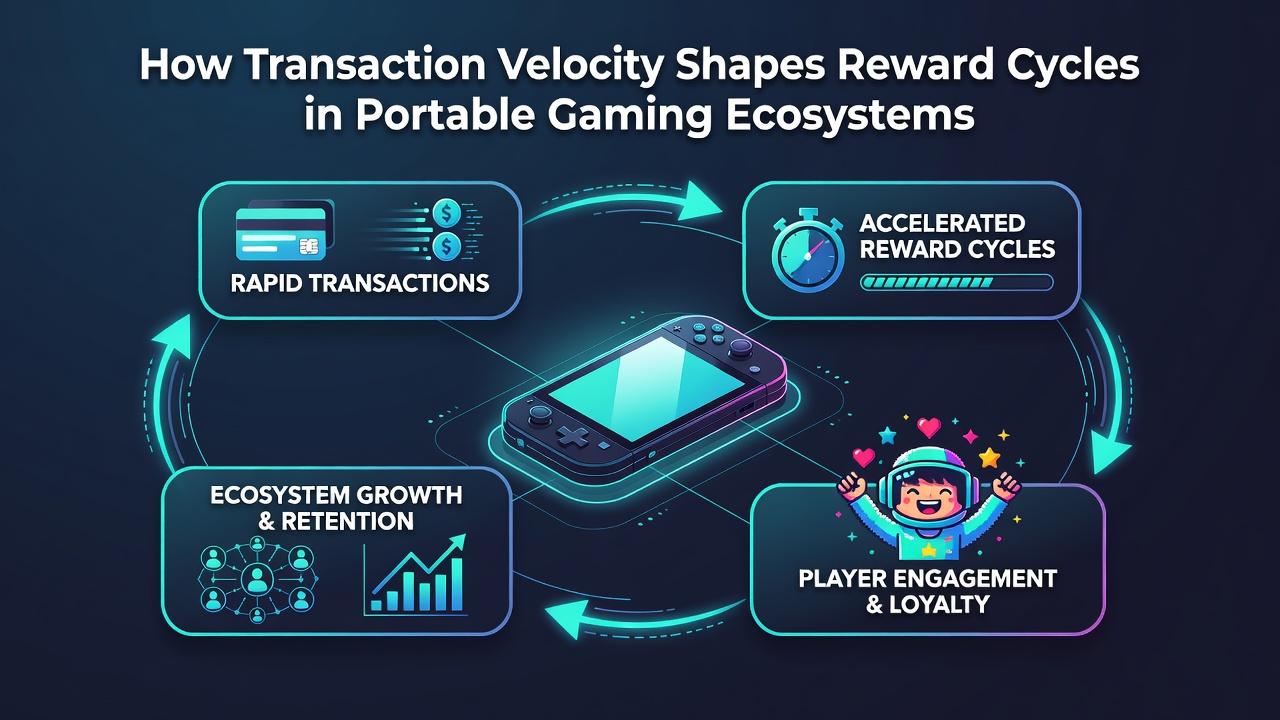
Teams responsible for live operations now monitor transaction velocity as a key performance indicator alongside traditional metrics such as session length and retention percentages, and they respond by introducing tiered reward structures that scale with processing speed. Faster gateways unlock bonus layers automatically, whereas slower paths route players through additional confirmation screens that extend the cycle intentionally. This dual-track approach maintains balance across diverse device capabilities and network conditions prevalent in portable environments.
Industry reports compiled by the Canadian Games and Esports Association highlight how certain puzzle and strategy titles adjusted their daily reward timers in response to payment infrastructure upgrades rolled out during the first half of 2026, resulting in reward availability windows that now align more closely with typical commuter play sessions lasting between eight and twelve minutes. The alignment produces steadier engagement curves because players receive fresh incentives at moments when they are most likely to act on them.
Technical Infrastructure Supporting Velocity
Cloud service providers supply the low-latency connections required for sub-second authorization, and portable game clients cache partial transaction states locally so that network interruptions do not reset the entire cycle. When connectivity restores, the system reconciles pending actions and delivers accumulated rewards without requiring players to restart sequences, thereby preserving the intended pacing regardless of external variables.
Security protocols embedded within these flows include tokenization and device fingerprinting, yet these layers operate in parallel rather than sequentially, which keeps overall velocity high while satisfying regulatory standards set by bodies such as the European Data Protection Supervisor. The parallel execution prevents the security measures from extending reward delivery times beyond acceptable thresholds.
Conclusion
Transaction velocity continues to function as a central variable in the architecture of reward cycles within portable gaming ecosystems, shaping both the frequency and the distribution patterns that players encounter during regular use. Data collected across multiple regions demonstrate consistent relationships between processing speed and incentive timing, prompting ongoing refinements in both payment integration and game design logic. As infrastructure evolves through 2026 and beyond, these relationships will likely remain a primary consideration for teams seeking to maintain stable engagement across global audiences.