Phone Transactions Transform Reward Mechanics in Slot Gaming Applications
Data from multiple markets shows that phone-based transactions now account for a growing share of deposits in slot gaming apps, and this shift directly affects how operators structure rewards such as free spins, cashback percentages, and loyalty points. Payment methods tied to mobile billing allow faster processing times, which in turn lets platforms adjust bonus eligibility windows and multiplier rates based on transaction speed rather than traditional bank transfer delays.
Payment Speed and Bonus Eligibility
Operators track deposit velocity through carrier billing and digital wallet integrations, then apply those metrics to tiered reward programs where quicker phone payments unlock higher reward multipliers. Studies conducted by research institutions in North America indicate that users completing three or more phone transactions within a seven-day window receive access to progressive loyalty ladders that standard card deposits do not trigger automatically. These systems rely on real-time data feeds from mobile network operators, creating reward structures that respond to transaction frequency instead of fixed calendar periods.
Regional Regulatory Influences on Mobile Rewards
Regulators in different jurisdictions have begun examining how phone payment integration affects player incentives. The Nevada Gaming Control Board published guidelines in early 2025 requiring operators to disclose reward adjustments linked to payment method speed, while Australian authorities through the Australian Communications and Media Authority have tracked similar patterns in their quarterly reports. Such oversight means reward structures must now include clear documentation of how phone-based deposits influence bonus wagering requirements and expiration timelines.
What's interesting is the way these rules push developers to embed payment metadata directly into reward algorithms. When a player uses carrier billing, the app records the transaction source and feeds that information into loyalty engines that calculate points or free spin allocations. This creates a feedback loop where phone transactions not only speed up deposits but also determine which reward tiers become available within the same gaming session.
Integration of Loyalty Programs with Carrier Data
Slot gaming apps increasingly pull anonymized usage data from mobile carriers to refine reward personalization. One industry report from the European Gaming and Betting Association highlights that loyalty points earned through phone payments often carry different redemption values compared with other methods, sometimes converting at higher rates because the operator saves on processing fees. Developers have responded by building in-app dashboards that display reward adjustments in real time, letting users see how their chosen payment method alters the structure of upcoming bonuses.
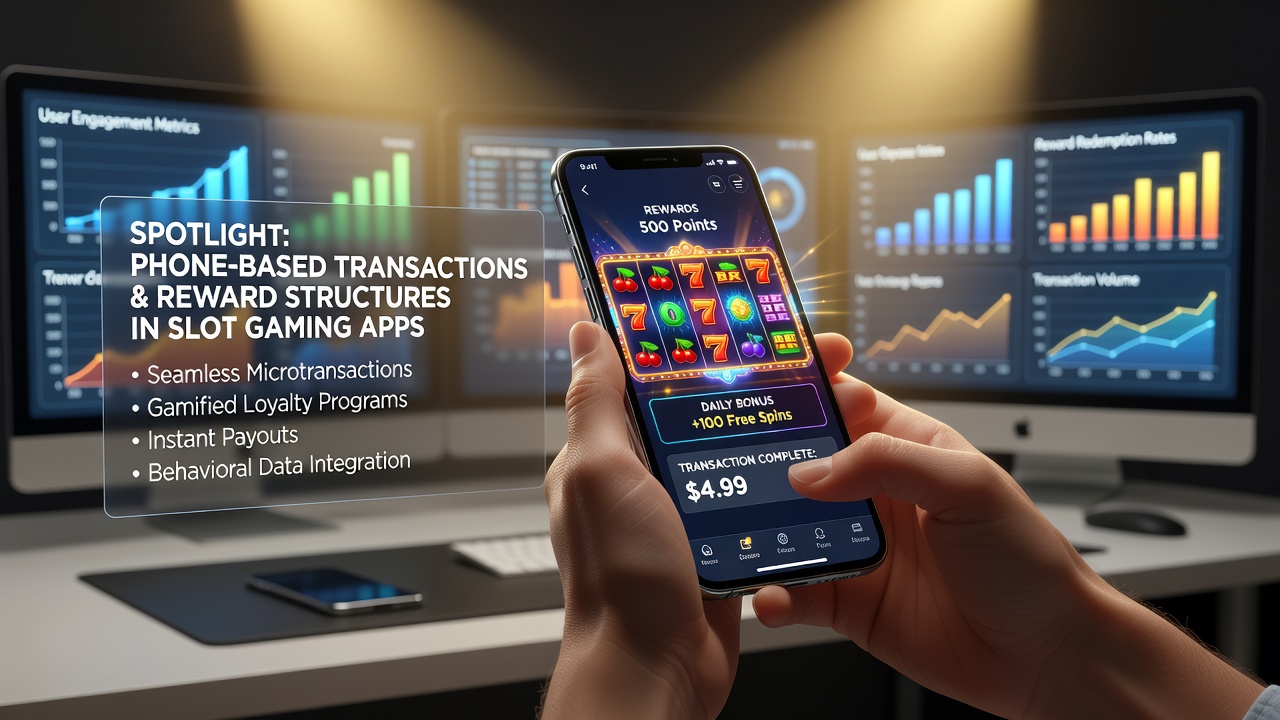
Take the case of several major slot platforms that introduced tiered cashback programs in 2025. Those using phone billing automatically qualified for an extra percentage point of cashback once their monthly transaction count exceeded a set threshold. Observers note that this approach has led to measurable shifts in player behavior, with data indicating higher retention among users who adopt phone payments as their primary method.
Technical Architecture Behind Reward Adjustments
The backend systems handling these rewards connect directly to mobile payment gateways, allowing operators to apply dynamic multipliers. When a transaction completes via phone billing, the system checks against predefined rules that may increase free spin quantities or reduce wagering multipliers for that deposit. Academic research from the University of Nevada's gaming studies department has documented how these rule sets evolve, with updates often coinciding with new carrier agreements or changes in data privacy standards.
August 2026 will see several North American operators roll out updated reward engines that further tie phone transaction volume to seasonal bonus pools. These changes build on existing frameworks rather than replacing them, ensuring continuity while expanding the variables operators can use to shape player incentives.
Player Interface and Transparency Requirements
Modern slot apps display payment-specific reward previews before a transaction completes. Users see side-by-side comparisons of how phone billing versus other methods affects the bonus they will receive. This transparency stems from industry standards developed by groups such as the Remote Gambling Association, which emphasize clear communication of reward mechanics tied to payment choice.
Figures from Canadian provincial regulators show that apps offering these previews experience lower dispute rates related to bonus terms. The integration of explanatory tooltips within the payment flow helps users understand why certain rewards appear only after selecting phone-based options.
Conclusion
Phone-based transactions continue to influence reward structures across slot gaming apps through faster processing, data integration, and regulatory compliance requirements. Operators adjust bonus multipliers, loyalty points, and eligibility windows based on payment metadata, creating systems that respond directly to transaction characteristics. As more jurisdictions implement oversight and operators refine their technical integrations, these reward models will likely expand in complexity while maintaining focus on payment speed and frequency as core variables.