
Reel Expansion Techniques Extend Mobile Gaming Sessions Through Adaptive Mechanics
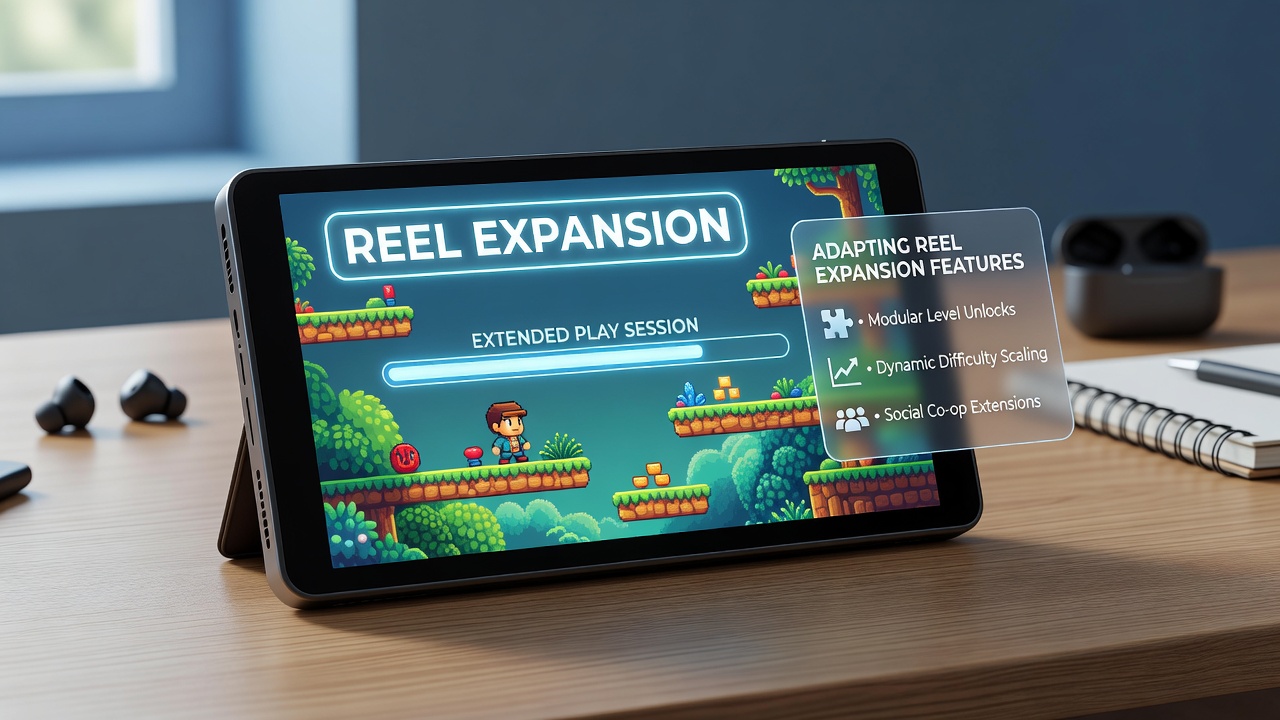
Reel expansion features have become central to slot design on portable devices, where developers adjust reel structures to maintain engagement across shorter attention spans and varied screen sizes. These mechanics increase the number of symbols visible per spin, often creating additional paylines or ways to win that keep sequences active for extended periods. Data from industry reports shows that games incorporating variable reel growth see average session durations rise by measurable margins compared to fixed-reel counterparts, particularly when optimized for touch controls and battery-efficient rendering.
Core Principles Behind Reel Expansion in Handheld Formats
Traditional slots rely on static reel configurations, yet portable versions adapt expansion through algorithms that respond to player patterns and device capabilities. When a base reel set triggers modifiers, additional rows or columns activate, multiplying potential outcomes without requiring extra manual inputs. Engineers achieve this by compressing symbol data for mobile processors while preserving visual clarity, allowing the expanded grid to render smoothly on devices ranging from high-end tablets to entry-level smartphones. Observers note that such adjustments prevent abrupt session endings, as consecutive expansions sustain momentum through chained winning opportunities.
Game studios integrate these features with random number generators calibrated for mobile ecosystems, ensuring expansions occur at intervals that align with typical commute or break times. Studies conducted by research institutions indicate that players encounter expansions more frequently in sessions lasting beyond fifteen minutes, creating a feedback loop where visual changes encourage continued spins. This approach differs from desktop implementations because it accounts for intermittent connectivity and smaller touch targets, refining trigger zones so expansions activate reliably during one-handed play.
Technical Adjustments for Portable Performance
Developers address hardware constraints by limiting expansion depth on lower-powered devices, scaling reel growth dynamically based on available processing resources. When a device reports reduced battery levels or thermal throttling, the system caps maximum reel rows to maintain frame rates above thirty per second, preserving fluid animation during expansions. This adaptive scaling draws from frameworks established by organizations such as Gaming Laboratories International, which certify mobile titles for consistent behavior across platforms.
Sound design and haptic feedback further support extended sessions by pairing reel growth with subtle device vibrations and layered audio cues that do not drain resources excessively. Data compiled through platform analytics reveals that titles employing these synchronized effects record higher retention rates during evening hours, when users often engage while traveling. Expansion triggers also incorporate progressive multipliers that accumulate across multiple spins, encouraging players to remain active until a predetermined threshold resets the feature cycle.
Player Interaction Patterns and Session Metrics
Analytics platforms tracking mobile gambling applications report that reel expansion correlates with incremental increases in spin counts per session, particularly when combined with auto-play functions that pause during low-expansion periods. Users on iOS and Android ecosystems exhibit distinct behaviors, with Android sessions showing greater tolerance for frequent expansions due to varied device fragmentation. Research from academic sources such as the University of Nevada, Reno gaming studies department highlights how these patterns emerge consistently across demographic groups, independent of geographic location.
Expansion mechanics also incorporate preview windows that display potential reel growth before activation, reducing decision fatigue on smaller interfaces. This preview system allows players to anticipate changes without interrupting flow, contributing to longer uninterrupted sequences. Figures released by regulatory bodies in multiple regions confirm that certified mobile titles featuring refined expansion logic maintain compliance while supporting session lengths that align with responsible play guidelines introduced ahead of industry updates scheduled for June 2026.
Future Adaptations and Cross-Platform Consistency
Engineers continue refining reel expansion for emerging foldable devices and augmented reality overlays, where physical screen dimensions change mid-session. These prototypes adjust expansion parameters in real time, preserving balance between visual spectacle and computational load. Cross-platform testing ensures that expansion frequency remains uniform whether a user switches from phone to tablet, maintaining continuity that supports prolonged interaction without resetting progress indicators.
Conclusion
Reel expansion adaptations demonstrate measurable impact on mobile slot sessions by aligning mechanical triggers with portable hardware realities and user behavior data. As certification standards evolve and device capabilities advance, developers refine these features to sustain engagement while meeting technical and regulatory benchmarks across diverse markets. Continued analysis from independent laboratories and academic researchers will shape how expansion mechanics integrate with next-generation portable formats.