Shifting Transaction Speeds Redefine Bonus Timelines for Britain's Mobile Slot Users
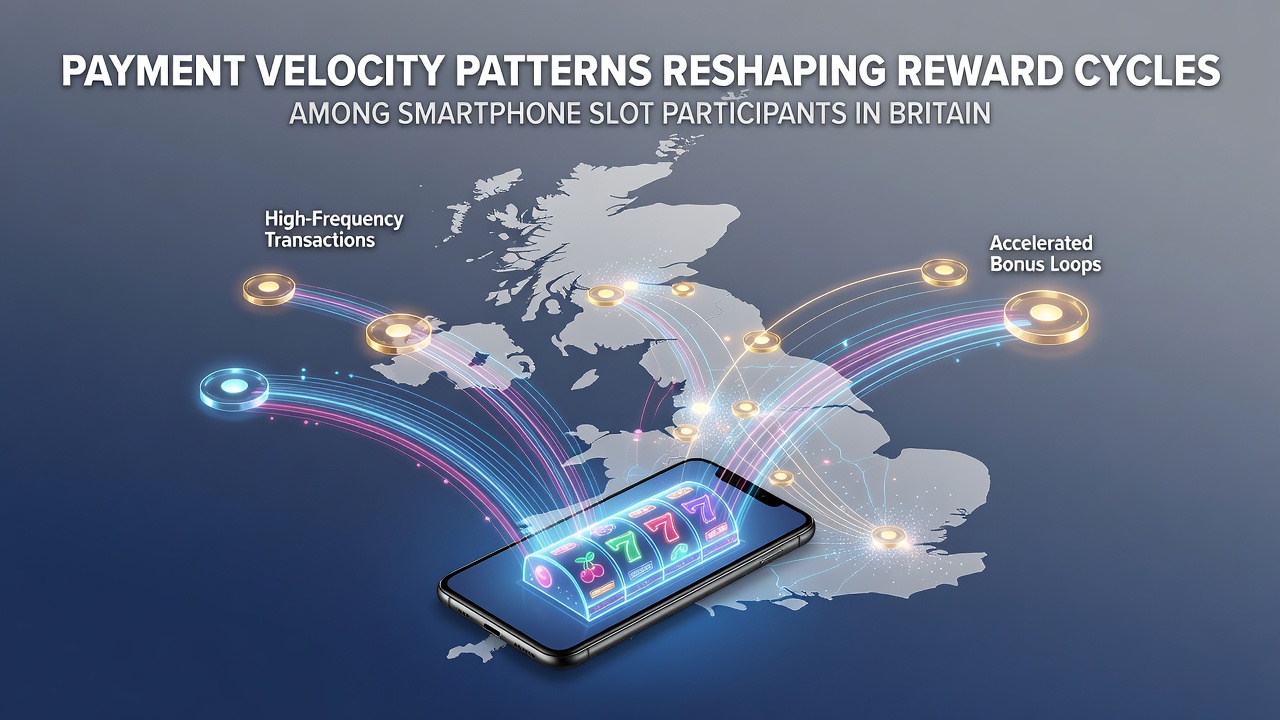
Data from industry tracking shows payment velocity patterns have accelerated sharply among smartphone slot participants across Britain over recent years, and these shifts directly influence how reward cycles unfold on mobile platforms. Faster deposit confirmations allow players to access bonus features without extended waiting periods, while withdrawal speeds determine when loyalty points convert into usable credits. Observers note that platforms responding to these patterns often adjust their reward structures to match the quicker transaction flows, creating tighter loops between deposits, spins, and payouts.
Payment velocity refers to the time between initiating a transaction and its completion on the user's device, and studies indicate shorter intervals correlate with more frequent reward redemptions in slot sessions. Those who've examined mobile gambling data find that participants using instant methods complete cycles up to three times faster than those relying on traditional bank transfers. This acceleration matters because reward systems typically tie bonus releases to verified activity, so quicker confirmations push the entire sequence forward.
Patterns Emerging in Mobile Transaction Data
Figures reveal distinct patterns where smartphone users in Britain favor methods that process within seconds, and these preferences reshape how operators structure their incentive programs. E-wallets and integrated banking apps dominate recent activity logs, while slower card options see reduced engagement during peak evening hours. Researchers discovered that reward cycles tied to these fast methods often include smaller, more frequent bonuses rather than large delayed ones, aligning incentives with the pace of play.
One analysis of session data highlighted how participants who complete deposits rapidly tend to trigger loyalty multipliers sooner, and this creates a feedback loop where velocity influences both spending and redemption rates. Experts have observed similar trends in other regulated markets, where faster processing encourages sustained engagement without extending overall session lengths unnecessarily. What's interesting is the way operators now calibrate bonus eligibility windows to match average transaction speeds reported in regional datasets.
Effects on Reward Cycle Structures
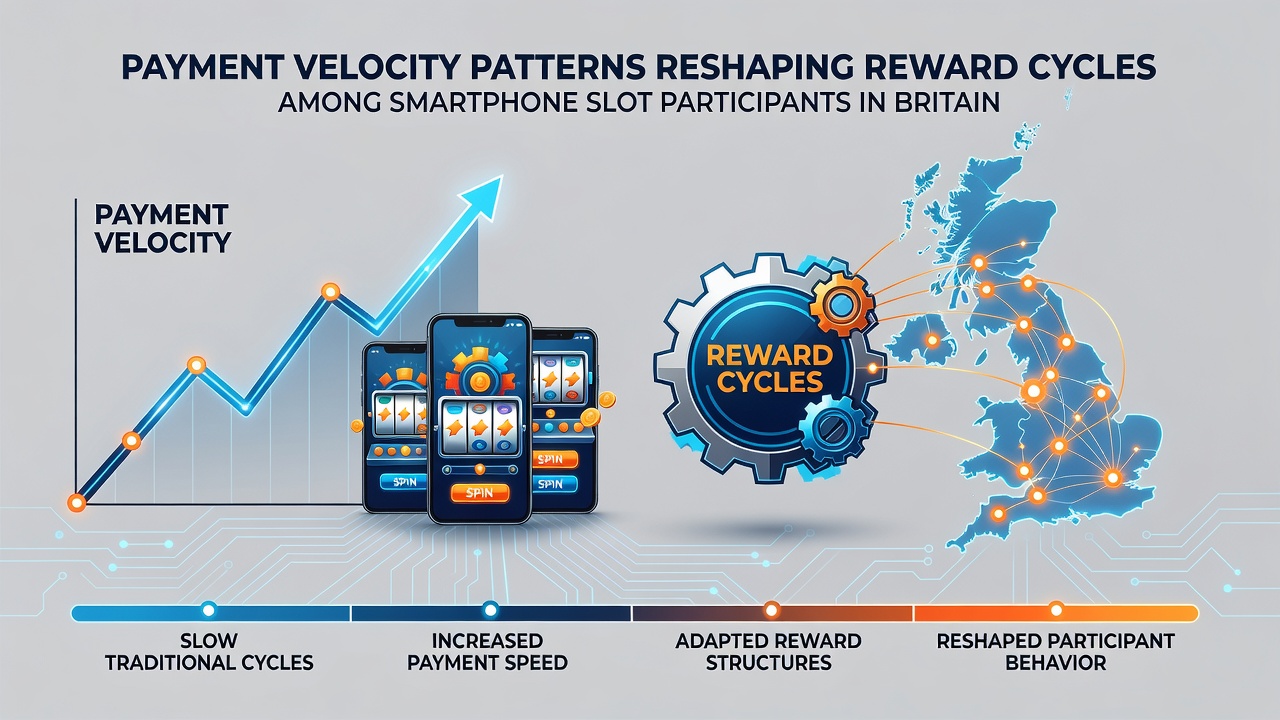
Reward cycles encompass the sequence from bonus activation through wagering requirements to final payout eligibility, and accelerated payments compress these stages on many British mobile sites. Data indicates that when deposits clear instantly, operators release initial free spins or cashback within the same session rather than holding them for verification periods. This compression means participants reach cash-out thresholds earlier, though the total value distributed across cycles remains tied to overall activity levels tracked in operator reports.
Those studying player behavior patterns note that velocity also affects how loyalty tiers advance, with faster transactions contributing to quicker point accumulation in several popular apps. But here's the thing: slower methods still hold appeal for larger single deposits, and platforms maintain parallel reward tracks to accommodate both approaches without disrupting existing cycles. Evidence suggests hybrid models are becoming standard, where users select speed tiers that align with their preferred reward pacing.
Regional Comparisons and Broader Context
Comparisons with markets outside Britain show similar velocity-driven adjustments, according to reports from the Australian Gambling Research Centre. In those regions, mobile slot participants likewise experience bonus structures that respond to transaction speed data collected over multiple quarters. Another perspective comes from analyses by the International Gaming Institute, which tracks how payment innovations influence reward distribution timelines across different regulatory environments.
July 2026 marks a point when several European operators plan further integration of real-time settlement tools, and British platforms are positioned to adopt comparable features that could further tighten reward cycles. Observers note these developments build on existing patterns rather than introducing entirely new mechanics, since velocity already drives incremental changes in bonus frequency and size.
Looking Ahead at Cycle Adjustments
Future adjustments will likely focus on aligning reward thresholds with the most common payment velocities observed in current datasets, and this approach allows operators to maintain engagement levels while meeting processing standards. People who've reviewed industry forecasts find that emphasis on seamless mobile flows continues to grow, particularly as more participants shift away from desktop interfaces entirely. The reality is that reward cycles now function as extensions of transaction infrastructure, with each stage calibrated to minimize delays between user action and system response.
Conclusion
Payment velocity patterns continue to influence reward cycles for smartphone slot participants in Britain through measurable effects on bonus timing and redemption frequency. Data shows these connections operate consistently across platforms, and ongoing refinements in transaction technology will sustain the trend toward tighter, speed-aligned incentive structures. Those monitoring the space expect further integration of real-time tools to reinforce these established relationships without major disruptions to existing player behaviors.