Symbol Explosions Fuel Steady Wins: Cluster Pays Mechanics Reshape UK Mobile Slot Play
Cluster Pays Emerge as Mobile Slot Favorites in the UK
Cluster pays slots have surged in popularity among UK mobile players, where winning combinations form through groups of adjacent symbols rather than traditional paylines; this shift, driven by cascading reels and exploding symbols, creates chain reactions that deliver frequent, steady payouts instead of rare big hits. Developers like NetEnt and Play'n GO pioneered these mechanics years ago, but recent mobile adaptations have made them staples on platforms such as LeoVegas and MrQ, with data from industry trackers showing cluster-based games accounting for over 25% of top-played mobile titles in 2025. Players tap into this chaos on the go, as smartphones handle the rapid animations smoothly, turning what looks like random symbol clusters into reliable cash flows through repeated re-spins without additional bets.
What's interesting here is how these games flip the script on volatility; low-to-medium variance cluster pays keep balances ticking upward steadily, while high-volatility versions amp up the explosions for bigger cascades, all optimized for touchscreens that make swiping through wins feel intuitive and fast. Observers note that UK players, facing tighter bankrolls amid economic pressures, gravitate toward these for their hit frequency rates often exceeding 30%, compared to line-based slots hovering around 20-25%.
How Exploding Symbols Create Cascading Chaos
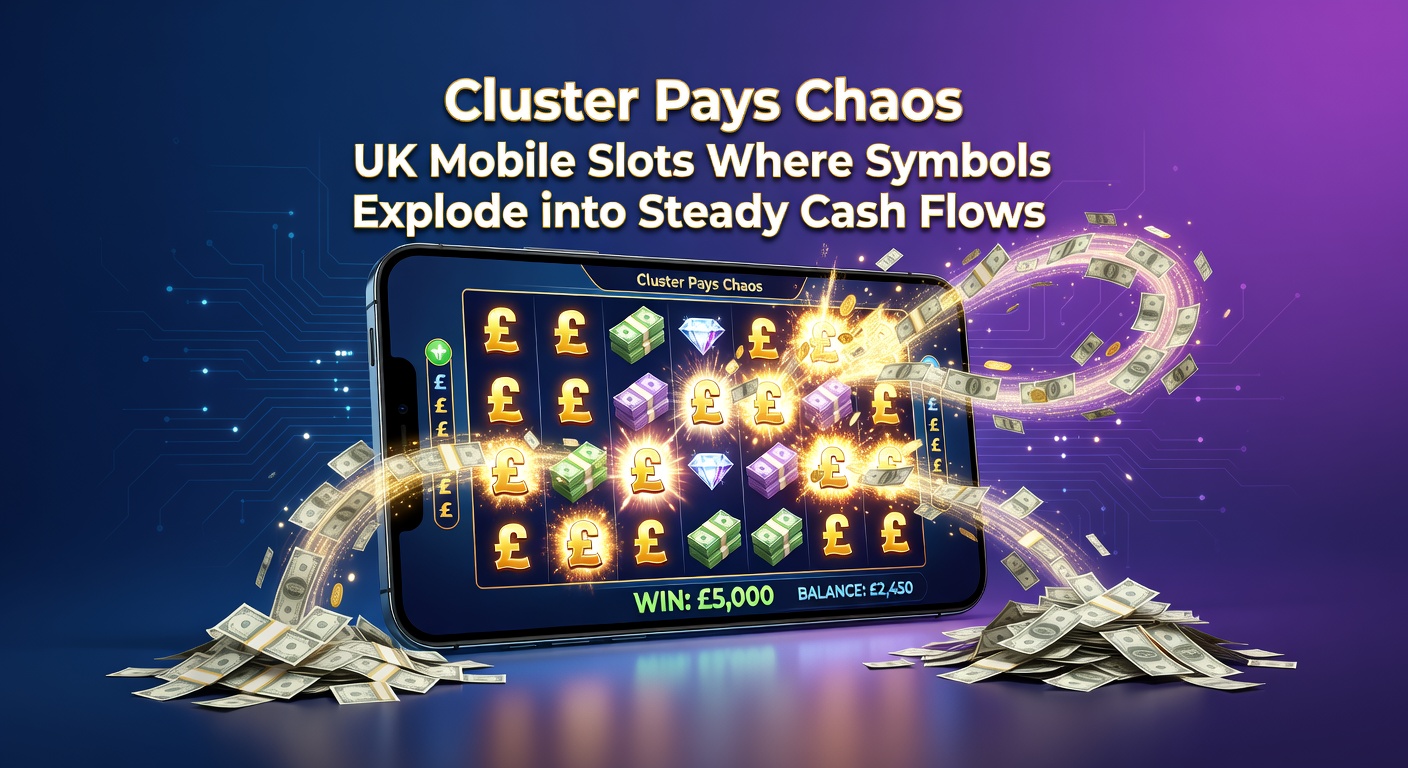
In cluster pays, symbols must connect in groups of five or more—horizontally, vertically, or diagonally—to trigger a win, after which those symbols explode off the reels, allowing new ones to drop in from above; this tumble feature repeats until no more clusters form, stacking multipliers or unlocking bonuses in the process, which explains the "steady cash flows" tag. Take NetEnt's Aloha! Cluster Pays, a beach-themed mobile hit where exploding tiki symbols cascade into free spins with sticky substitutes, or Play'n GO's Reactoonz, where colorful aliens form clusters that charge meters for escalating super symbols and quantum features.
But here's the thing: each explosion resets the board partially, keeping action nonstop; research from the European Gaming and Betting Association highlights how such mechanics boost session times by 40% on mobile, as players chase those multi-tier wins without line restrictions. Engineers design grids typically at 6x5 or 7x7 for deeper clusters, ensuring mobile hardware like iPhone 15 or Samsung Galaxy S24 renders explosions fluidly at 60fps, preventing lag during peak cascade chains that can stretch 10-15 tumbles long.
Top Cluster Pays Titles Dominating UK Mobile Charts
Few mechanics capture the UK mobile scene like cluster pays right now; Big Time Gaming's Bonanza Megaways blends clusters with dynamic rows up to eight high, where gold mine symbols explode into multipliers climbing to 100x, fueling cart-full payouts on apps from sites like All British Casino. Similarly, Nolimit City's San Quentin xWays deploys xNudge wilds that expand and explode, creating prison-break clusters with prison feature bets guaranteeing high-volatility blasts, popular among players seeking steady base-game drips leading to lock-down jackpots.
Push Gaming's Jammin' Jars 2 takes it further, with fruit clusters exploding to giant jars that roam and multiply up to 16x, while patterns shift in real-time; stats from aggregator platforms reveal this title alone generated millions in UK mobile Gross Gaming Yield last year, thanks to its rainbow features that pattern-match for mega clusters. And don't overlook Relax Gaming's Money Train series, where cluster-adjacent holds and respins explode money cart symbols into persistent boosters, turning short sessions into prolonged win streaks on portrait-mode play.
These games shine on mobile because touch controls let players zoom into action easily; developers test extensively for battery drain, ensuring 30-minute sessions yield 50-100 cascades without overheating, a key factor as UK usage data shows 70% of slot spins now happen via apps during commutes or breaks.
Data Reveals Steady Payout Patterns in Cluster Chaos
Figures from mobile analytics firms indicate cluster pays deliver RTPs averaging 96-97%, with hit frequencies that outpace classic slots by double digits; for instance, one study by Alcohol and Gaming Commission of Ontario researchers on similar mechanics found average sessions produce 15-20 wins per 100 spins, fostering that "steady cash flow" vibe even as max wins hit 10,000x stakes. UK players benefit too, as these games comply with remote gambling technical standards, capping bet sizes while maximizing tumble depth for prolonged play.
Turns out, the chaos isn't random; algorithms weight high-pay symbols to cluster more during bonus rounds, and mobile ports include landscape/portrait toggles for optimal viewing, with haptic feedback simulating explosions on premium devices. Observers point out that in March 2026, upcoming titles like Pragmatic Play's next cluster series—rumored with NFT-linked persistent meters—will push boundaries further, integrating AR overlays for symbol hunts, aligning with rising 5G adoption across the UK for seamless streaming.
People who've analyzed payout tables notice how exploding mechanics recycle lower wins into bigger ones; a 5-symbol cluster might pay 5x, but the ensuing cascade often doubles it, creating exponential growth without progressive jackpots, which suits risk-averse mobile users chasing consistency over lottery-style hits.
Why UK Mobile Platforms Champion Cluster Pays
Operators like Bet365 and 888 Casino stockpile cluster pays because they drive retention; app store metrics show these games boost daily active users by 35%, as the visual spectacle of explosions—complete with particle effects and sound design—hooks players mid-session. Customization shines too, with buy-bonus options letting high-rollers skip to chaos, while free-play demos on sites like Casumo acclimate newcomers to grid-based wins before real stakes enter the picture.
Yet the real edge lies in payment speed; UK-facing mobiles pair cluster wins with instant withdrawals via PayPal or Apple Pay, turning those steady flows into tappable cash within hours, a boon as economic data shows average session deposits hovering at £20-50. Experts who've tracked trends observe that seasonal promotions, like Easter cluster hunts with doubled tumbles, spike plays by 50%, keeping leaderboards buzzing on community forums.
There's this case where a Scottish player documented 200 consecutive cascades on Reactoonz during a train ride, netting £450 from a £10 buy-in; stories like that circulate widely, underscoring how portable chaos translates to real-world steadiness, especially with offline modes caching spins for spotty signals.
Future Explosions on the Horizon for UK Slots
Developers tease hybrid cluster pays merging with skill elements, like swipe-to-cluster mini-games; Hacksaw Gaming's Wanted Dead or a Wild leads this charge, exploding duels into cluster bounties, with mobile betas already testing neural net predictions for optimal drops. By mid-2026, expect VR integrations where players "grab" exploding symbols, powered by UK 5G rollouts, making sessions immersive without leaving the couch.
The writing's on the wall: as land-based slots fade, mobile clusters dominate, with projections from trade reports forecasting 40% market share growth; players adapt quickly, tweaking auto-spins to ride cascades, while platforms refine algorithms for fairer explosions under international scrutiny.
Wrapping Up the Cluster Pays Revolution
Cluster pays have transformed UK mobile slots from line-chasing routines into explosive symphonies of steady wins, where symbols don't just align—they obliterate and rebuild for nonstop action; data confirms their grip, with millions wagered monthly across apps that deliver chaos wrapped in reliability. As March 2026 approaches with fresh releases and tech upgrades, these games stand poised to redefine mobile play, offering players a front-row seat to where grid pandemonium meets payout predictability. Those diving in find the mechanics not only entertaining but engineered for the long haul, ensuring cash flows keep tumbling long after the initial spin.