The Relationship Between Account Verification Durations and Multi-Level Reward Systems in UK Mobile Gambling Apps
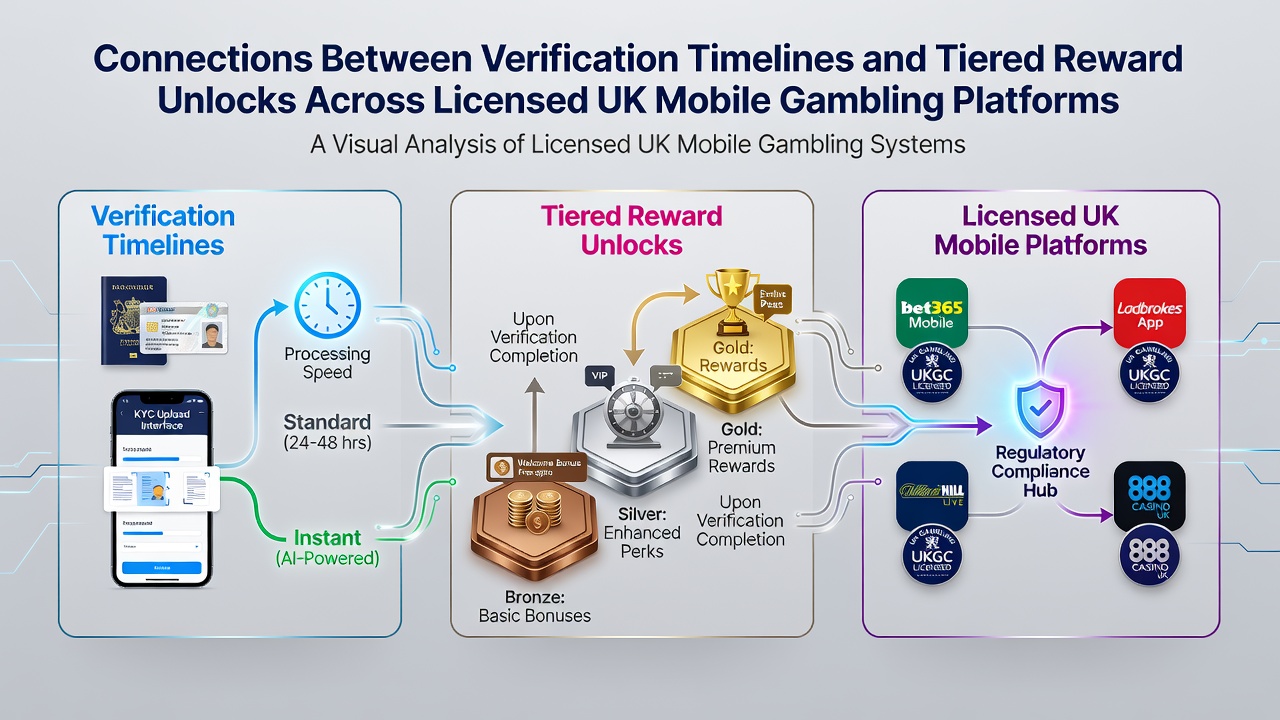
Verification processes on licensed UK mobile gambling platforms connect directly with the way operators structure their tiered reward programs, and this link shapes how players move through different levels of bonuses and perks over time. Operators require identity checks that range from basic document uploads to full biometric scans, while reward tiers unlock based on deposit volume, play frequency, and sometimes the speed at which those checks complete. Data from industry reports shows that platforms processing verifications within 24 hours often grant immediate access to entry-level rewards, whereas longer timelines delay progression to higher tiers that include cashback percentages and exclusive event invitations.
Core Elements of Verification Procedures
Account verification on these platforms typically involves several stages that include address confirmation, age validation, and source of funds reviews, and these steps occur through secure mobile interfaces that integrate with third-party services. Research from the University of Salford indicates that average completion times vary between operators, with some finishing the process in under four hours during peak periods while others extend to three business days when additional manual reviews become necessary. Players who submit clear documentation upfront tend to experience faster approvals, and this acceleration feeds straight into reward systems that track activity from the moment an account receives full status.
Impact on Entry-Level Reward Access
Entry-level tiers on most platforms activate once verification clears, unlocking standard welcome packages and basic loyalty points that accumulate with each wager, yet delays in this initial stage push back the entire reward calendar for new users. Observers note that operators sometimes tie first-deposit bonuses to verified status, meaning unverified accounts remain frozen in a holding pattern even after funds clear. A study published by teh Canadian Centre on Substance Use and Addiction found similar patterns in other regulated markets where quicker verification correlated with higher early engagement rates and smoother transitions into ongoing reward structures.
Tiered Reward Structures and Progression Mechanics
Tiered systems usually feature five or six progressive levels that deliver increasing benefits such as higher withdrawal limits, personalized promotions, and dedicated account managers, while movement between tiers depends on cumulative spend and verified play history. These programs reset or advance on monthly cycles, and the verification timestamp often serves as the starting point for tracking eligibility. Platforms integrate verification data directly into their loyalty engines so that any holdup in approval automatically shifts reward unlock dates forward by the same margin.
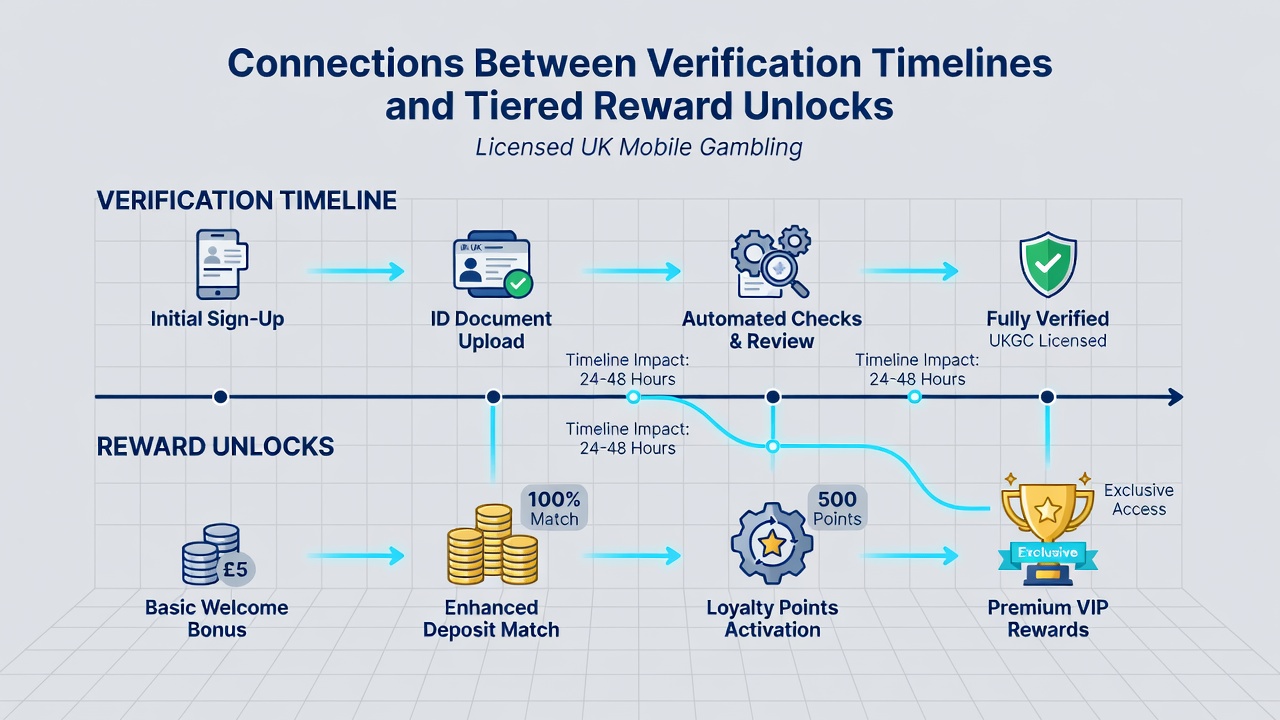
What's interesting is that some operators have begun displaying estimated verification completion times within their apps, allowing users to anticipate when specific tier benefits will become available. This transparency helps players plan deposit schedules around known processing windows rather than facing unexpected pauses in reward accumulation.
Regulatory Context and Timeline Shifts Expected in June 2026
Changes scheduled for June 2026 will require all licensed operators to implement enhanced digital identity verification standards that include real-time cross-checks with government databases, and these updates stand to compress average processing times across the sector. Industry groups such as the European Gaming and Betting Association have published guidance suggesting that standardized verification protocols could reduce average approval durations by up to 40 percent once fully rolled out. Those adjustments will likely influence how quickly players reach mid-tier and top-tier reward thresholds, since faster verification will shorten the gap between account creation and full program participation.
Take one operator that piloted automated verification tools ahead of the June 2026 deadline and saw a measurable uptick in players reaching silver-tier status within the first week of activity, according to internal metrics shared with researchers. Similar patterns appear in markets that adopted comparable standards earlier, demonstrating how verification speed functions as a gatekeeper for the entire reward ecosystem.
Practical Examples Across Different Platforms
One platform connects verification completion directly to a points multiplier that applies retroactively once approval occurs, rewarding players who complete checks quickly with accelerated tier movement. Another service uses a staged unlock model where partial verification grants limited rewards while full approval opens the complete loyalty ladder, creating a clear incentive for prompt document submission. Researchers at the University of Nevada Reno documented comparable mechanics in their analysis of mobile gambling interfaces and noted that such connections between verification and rewards appear consistently across multiple jurisdictions with mature regulatory frameworks.
Players who monitor their verification status through app notifications often adjust their playing patterns accordingly, pausing larger deposits until confirmation arrives and thereby avoiding any misalignment between activity and reward eligibility windows. This behavior illustrates how the technical timeline of verification weaves into strategic decisions around reward optimization.
Conclusion
The connection between verification timelines and tiered reward unlocks operates as a structural feature of licensed UK mobile gambling platforms rather than an isolated process, and upcoming regulatory adjustments in June 2026 will likely tighten this relationship further. Data from multiple research sources shows consistent correlations between faster approval speeds and quicker access to progressive benefits, while operators continue refining their systems to align these elements more efficiently. As verification standards evolve, the mechanics governing reward progression will reflect those changes in measurable ways across the market.