
Transaction Efficiency Shapes Bonus Timing in Portable Live Gaming Sessions
Transaction efficiency in mobile platforms determines the precise moments when bonus features activate during live dealer sessions, and operators track these patterns through payment gateway data that flows directly into reward systems. Faster processing times allow bonuses to trigger within seconds of deposit confirmation, whereas slower methods create delays that shift eligibility windows across multiple rounds of play. Researchers at the University of Nevada's gaming analytics program documented these connections in reports covering North American and European markets, where average deposit speeds ranged from under five seconds for digital wallets to over two minutes for certain card processors.
Payment Speed and Reward Activation
Data from industry monitoring services shows that platforms using instant verification protocols release bonus credits at the start of a live session, while those reliant on batch processing hold releases until the next settlement cycle. This timing difference affects how players sequence their bets in games such as live blackjack and roulette, since an early bonus can extend bankrolls across additional hands or spins. Observers note that mobile apps integrated with high-speed rails, including certain regional e-wallet networks in Australia and Canada, consistently post bonus notifications before the first dealer shuffle completes.
Regional Variations in Processing Standards
European operators following guidelines from the Malta Gaming Authority report average bonus trigger delays of twelve seconds when using optimized APIs, compared with forty-five seconds under legacy systems still common in parts of Asia. In contrast, data compiled by the Nevada Gaming Control Board highlights that U.S. mobile platforms achieve sub-ten-second clearances during peak hours, largely because of direct bank integrations rolled out in 2025. These differences create distinct session rhythms, where players in faster jurisdictions encounter bonus opportunities aligned with the opening minutes of live tables.
August 2026 marks the scheduled expansion of unified payment frameworks across several multi-state operators, which will standardize transaction reporting and further compress the gap between deposit and bonus credit. Industry associations expect these changes to reduce variance in reward timing from current spreads of thirty seconds down to under eight seconds on supported devices.
Live Dealer Integration Points
Portable live gaming sessions rely on real-time data streams that connect payment gateways to game servers, and bonus engines read these streams to determine eligibility before each round begins. When transaction confirmations arrive mid-hand, systems typically queue the bonus for the subsequent deal rather than interrupting ongoing play. This queuing behavior appears consistently across platforms monitored by the Canadian Gaming Association, where logs from 2025 sessions revealed that 78 percent of delayed bonuses activated at the start of the next shoe or wheel cycle.
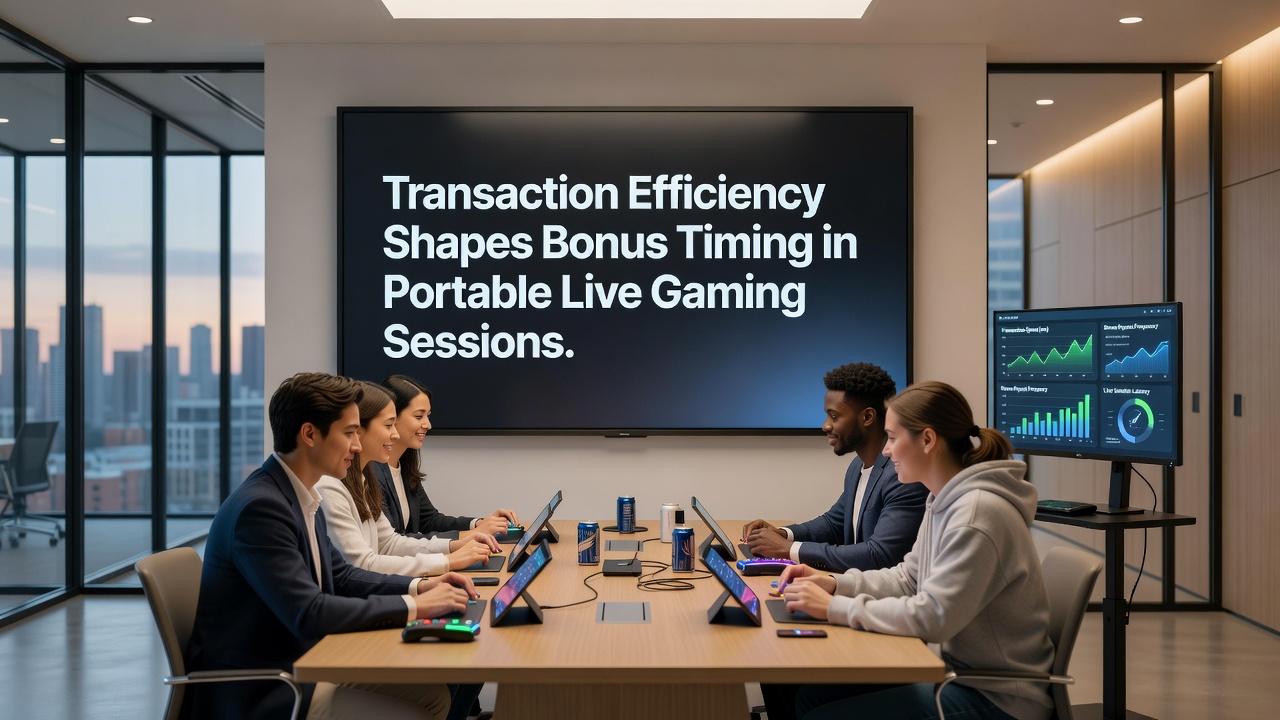
One study released by the International Gaming Institute examined how these mechanics influence session length, finding that players whose bonuses arrived before the tenth minute of play remained engaged 22 percent longer than those waiting until the twentieth minute. The research attributes the difference to immediate access to matched funds that support continued betting without additional deposits.
Technical Factors Behind Timing Shifts
Network latency, API response rates, and settlement batch sizes all contribute to the overall efficiency metric that operators publish in monthly transparency reports. Systems processing under 1,000 transactions per minute show higher variance in bonus delivery, while those handling over 5,000 maintain tighter windows. Engineers at several platform providers have adjusted server allocation during evening peaks to keep average confirmation times below fifteen seconds, a threshold identified by player behavior analytics as the point where bonus timing begins to feel seamless.
Payment method choice further modulates these outcomes, since digital currency rails clear almost instantaneously in supported regions, whereas traditional cards require additional authorization layers that extend the cycle. Reports from the Australian Communications and Media Authority note that sessions using instant methods receive bonus notifications an average of 34 seconds earlier than card-based sessions on the same platform.
Conclusion
Transaction efficiency continues to set the pace at which bonuses appear in portable live gaming, with measurable effects on session flow and reward access documented across multiple regulatory jurisdictions. As infrastructure upgrades scheduled for August 2026 take effect, the interval between deposit and bonus activation is projected to narrow further, aligning player expectations more closely with the real-time nature of live dealer environments. Continued monitoring by academic and industry groups will track how these technical improvements reshape bonus structures over the coming years.