Volatility Preferences Among Mobile Gamers: Linking Slot Selection to Sustained Engagement Patterns
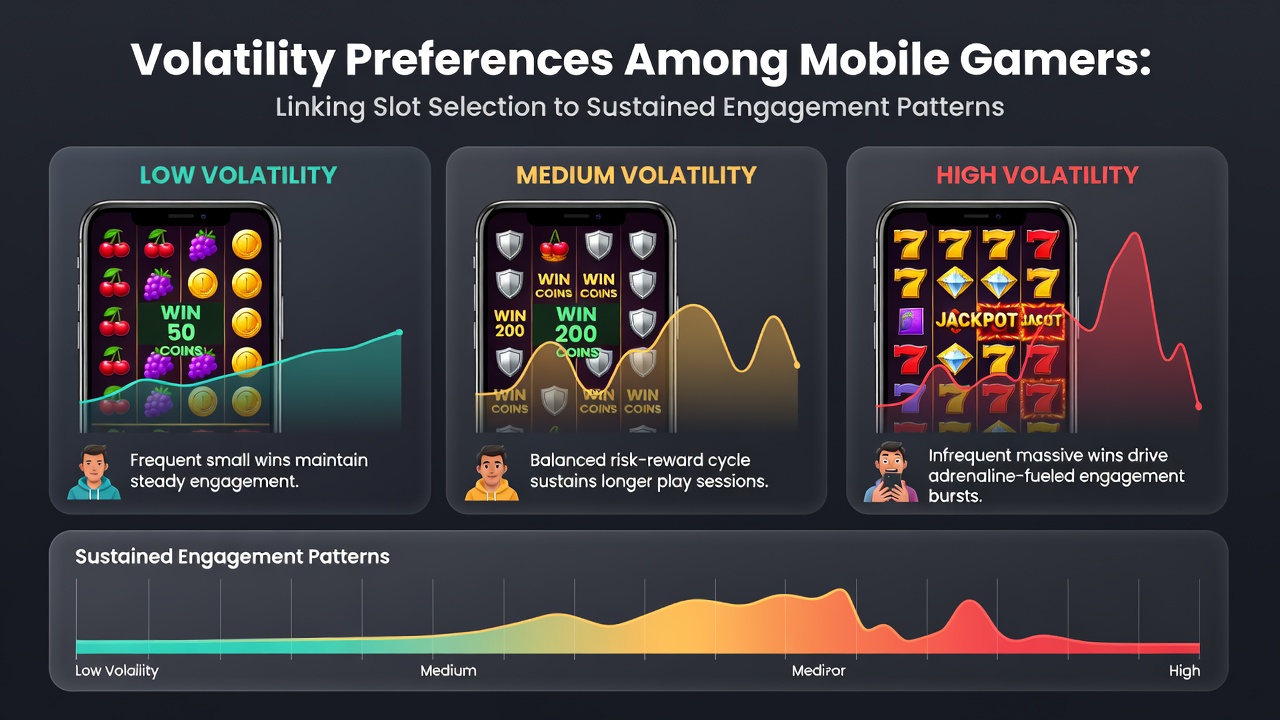
Slot volatility describes the frequency and size of payouts in digital games, with low-volatility titles delivering smaller wins more often while high-volatility options produce larger but less frequent returns, and mobile gamers have shown distinct selection patterns that connect directly to how long they stay engaged in sessions.
Defining Volatility in Mobile Slot Contexts
Game developers classify volatility through mathematical models that calculate payout distribution over thousands of spins, and these classifications appear in game descriptions on app stores as well as within platform interfaces where players review return-to-player percentages alongside risk indicators. Data from industry tracking services indicate that mobile users encounter these metrics more frequently than desktop players because touch interfaces allow quick toggling between game previews and information screens during short breaks or commutes.
Observed Selection Trends Across Regions
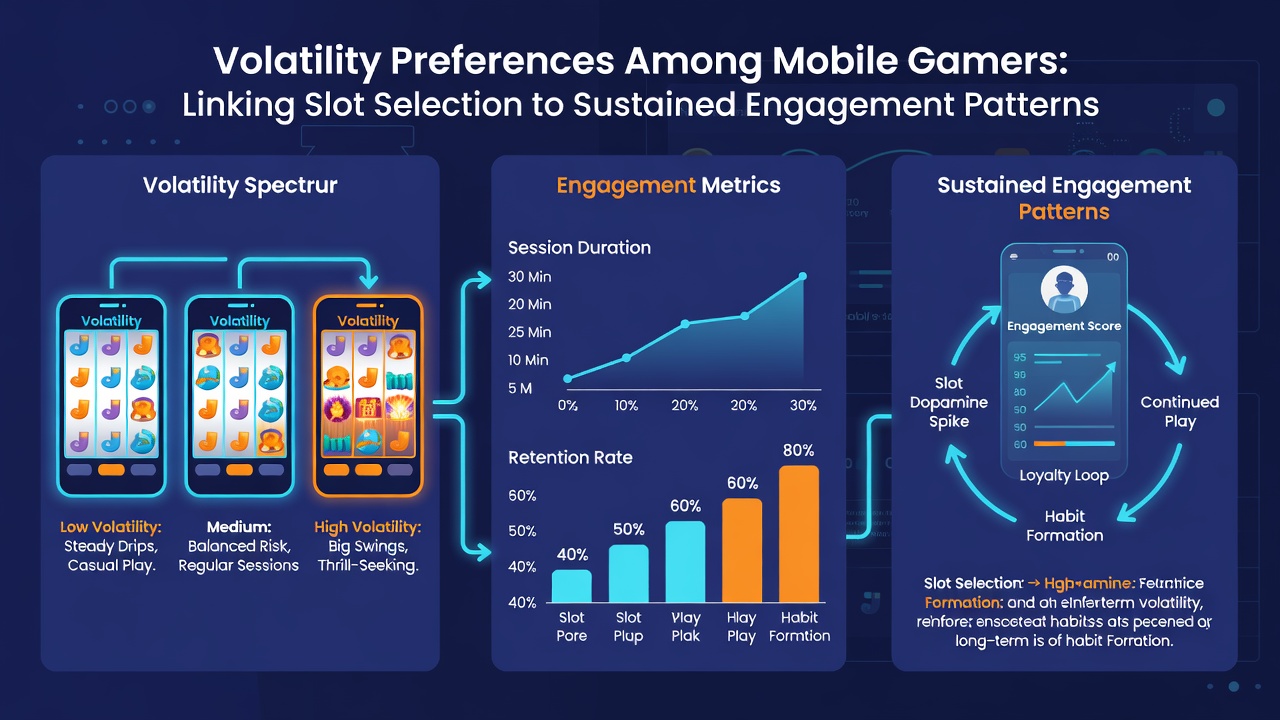
Analyses of gameplay logs from North American and European app markets reveal that players aged 25 to 34 gravitate toward medium-volatility slots during weekday sessions while those over 45 allocate more time to low-volatility options on weekends, and these choices align with reported session lengths that average 18 minutes for medium-volatility selections compared with 27 minutes for low-volatility titles. Researchers at the University of Nevada, Las Vegas have documented similar age-linked patterns in laboratory simulations where participants selected games after viewing volatility labels and then continued playing until they reached a predetermined credit threshold.
Linking Volatility to Engagement Duration
Engagement metrics collected through anonymized telemetry show that sustained play correlates with the match between a player's risk tolerance and the volatility level they choose, because low-volatility slots maintain smaller but steady credit balances that reduce the urge to exit after a string of non-winning spins. In contrast, high-volatility games produce longer stretches without returns, which data sets from multiple operators associate with higher exit rates once credit levels drop below 30 percent of the starting amount. A longitudinal study published through Gambling Research Australia tracked 4,200 mobile accounts over 14 months and found that users who consistently picked volatility levels matching their historical win-frequency preferences recorded 41 percent longer average session times than those who switched categories weekly.
Platform Features Influencing Choices
Mobile casino applications now embed volatility filters in search functions, allowing users to sort libraries by payout rhythm rather than theme or jackpot size alone, and these tools have coincided with a measurable shift in how players discover new titles. Observers note that recommendation engines trained on past selections surface additional games within the same volatility band, which extends the period users spend browsing before launching a spin sequence. In August 2026, several major platforms introduced in-app volatility simulators that let players test 50 free spins across low, medium, and high settings before committing real funds, and early telemetry suggests these previews increase the likelihood that subsequent paid sessions match the previewed volatility category.
Demographic and Behavioral Correlations
Survey responses paired with account data indicate that players who treat mobile gaming as a background activity during other tasks prefer low-volatility options that require less continuous attention, whereas those who dedicate focused time blocks select higher-volatility games at rates that rise with self-reported experience levels. Canadian provincial data compiled by the Alcohol adn Gaming Commission of Ontario show that accounts registered in urban postal codes log higher proportions of medium-volatility play during evening hours, while rural accounts display steadier low-volatility usage across all times of day. These geographic differences persist after controlling for device type and average bet size, pointing to lifestyle factors that shape slot selection beyond simple demographic categories.
Conclusion
Patterns emerging from operator data sets, academic simulations, and regulatory compilations demonstrate that volatility preference functions as a stable predictor of session length once players have accumulated sufficient experience to recognize which payout rhythms suit their available time and attention. Continued refinement of in-app tools that surface volatility information therefore stands to influence how mobile gamers structure their play across different contexts without altering the underlying mathematical properties of the games themselves.